Table of contents
Hide
1
20 key research papers
This issue selects 20 original research papers with high research value and disciplinary focus from global scientific publications. The statistical window is from November 14th to November 20th, 2026 (Beijing time). The research content covers tropical ecosystems and global climate, hematopoietic stem cell identity maintenance, tumor immunotherapy, focused ultrasound neuromodulation, etc.Machine LearningDriven by battery catalysis, all-solid-state batteries, graphene electronic phase transitions, perovskite integrated photonic devices, and astrophysical data analysis.
A notable trend in this issue is that the integration of artificial intelligence and experimental science is gradually moving from simple data prediction to experimental scheme selection, physical process control, and complex system optimization. Meanwhile, materials research is increasingly emphasizing the relationship between microstructure, interface properties, and macroscopic performance; and life sciences continue to reveal complex biological processes at the levels of cellular identity, immune metabolism, and neural circuits.
Chinese title: Tropical land use enhancement reshapes biodiversity
Research Background
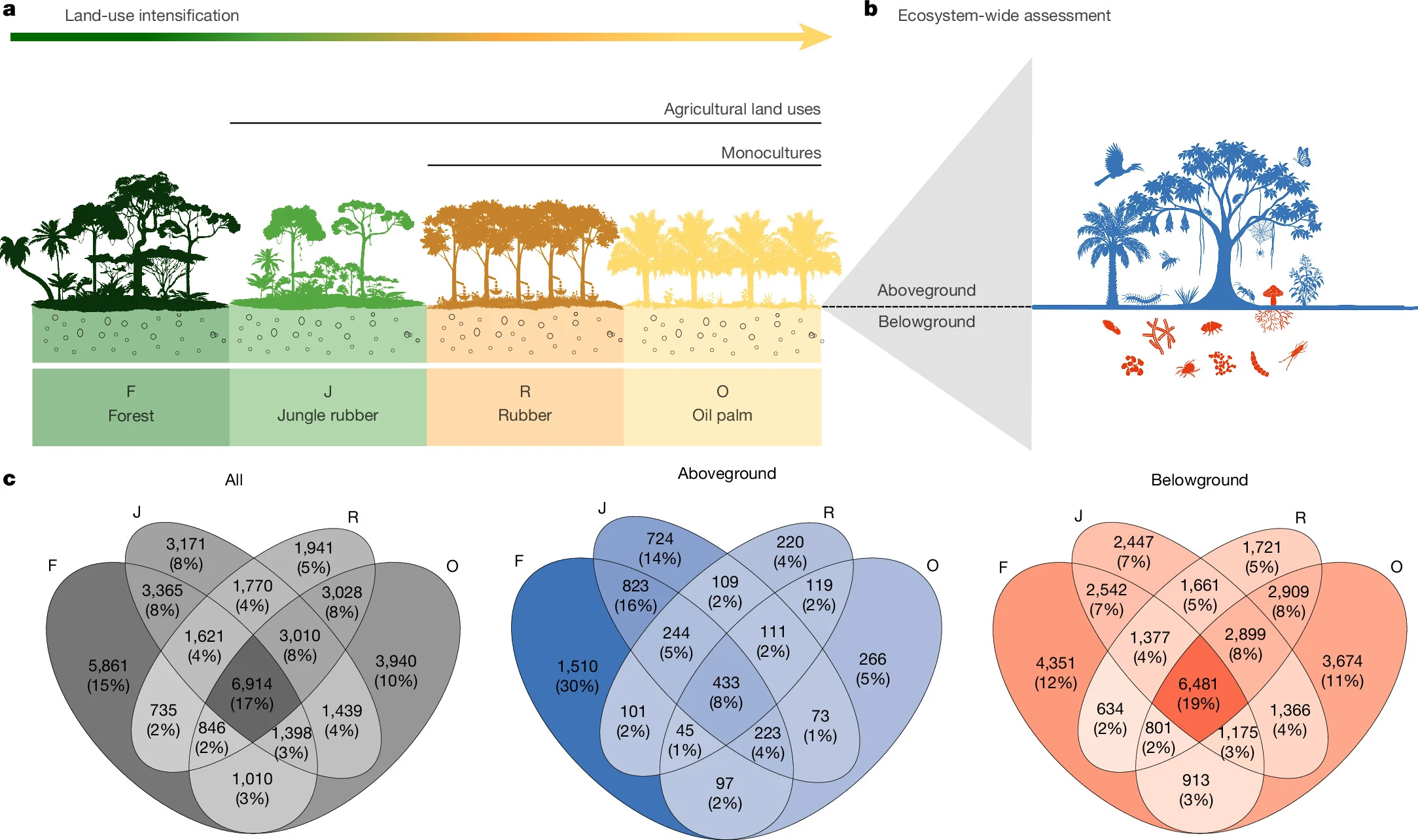
Tropical forests are vital reservoirs of global biodiversity, but agricultural development and land-use enhancement are altering tropical ecosystems. Many past studies have focused on single species or localized areas, failing to comprehensively illustrate the impact of agricultural enhancement on the entire ecosystem.
Research Content
The research team conducted a cross-taxonomic survey of 40,049 species across 24 taxa in Indonesian tropical agricultural landscapes, comparing biodiversity changes from lowland forests to highly managed monoculture landscapes of cash crops.
Main conclusions
The study found that landscape-scale and local diversity in monoculture landscapes decreased by approximately 78% and 50%, respectively. However, the study did not find that land use enhancement necessarily leads to all communities tending towards the same composition; instead, it observed a change in the way aboveground biological communities change composition.
This shows that land use change not only affects the number of species, but also alters the spatial distribution of different species.
Future Outlook
In the future, it is necessary to combine land use intensity, agricultural management methods, landscape connectivity and ecosystem function to further assess the balance between tropical agricultural landscapes and food production and biodiversity conservation.
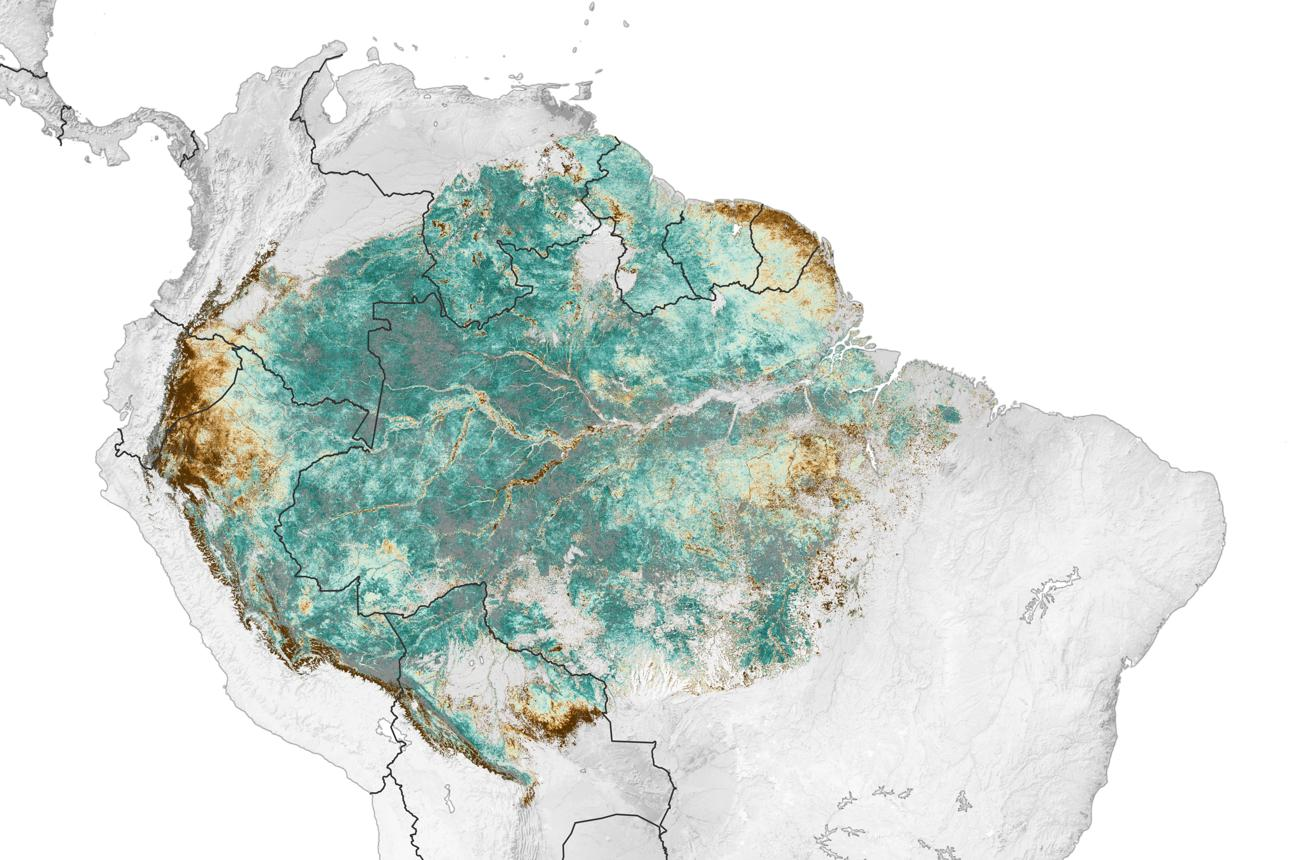
Chinese title: The widespread seasonal leaf fall reveals the diverse phenological strategies of the Amazon rainforest.
Research Background
The Amazon rainforest is generally considered an evergreen ecosystem that remains green year-round. This perception is common in large-scale ecological models, but trees in different regions may have significantly different leaf fall and leaf unfolding times.
If models ignore these seasonal variations, it could affect predictions of forest photosynthesis, carbon uptake, and climate feedback.
Research Content
The research team combined Sentinel-2 satellite observations with 10-meter spatial resolution with machine learning to analyze the seasonal leaf fall and leaf unfolding processes of Amazon rainforests and incorporated phenological characteristics into an ecophysiological model.
Main conclusions
Studies have found that there is a significant mismatch between leaf fall and leaf unfolding times in about 70% of the Amazon region, with leaf fall typically occurring at least three months earlier than leaf unfolding.
Factors influencing these phenological differences include:
By incorporating these phenological differences into the model, the research team found that approximately 79.9% of the watershed area saw improvements in seasonal gross primary productivity simulations.
Future Outlook
Future Amazon carbon cycle models should take into account leaf age, leaf fall cycle, and local climate conditions more fully, and avoid simply treating the entire rainforest as an evergreen system with completely uniform phenology.
Chinese title: Expansion of the North Atlantic deep water extent during the formation of the Northern Hemisphere ice ages
Research Background
The Atlantic Meridional Overturning Circulation (AMOC) is responsible for transporting heat globally, with the North Atlantic Deep Water (NADW) being a key component.
How the deep ocean water circulation changed during the formation of ice ages in the Northern Hemisphere has been an important question in paleoclimate research throughout geological history.
Research Content
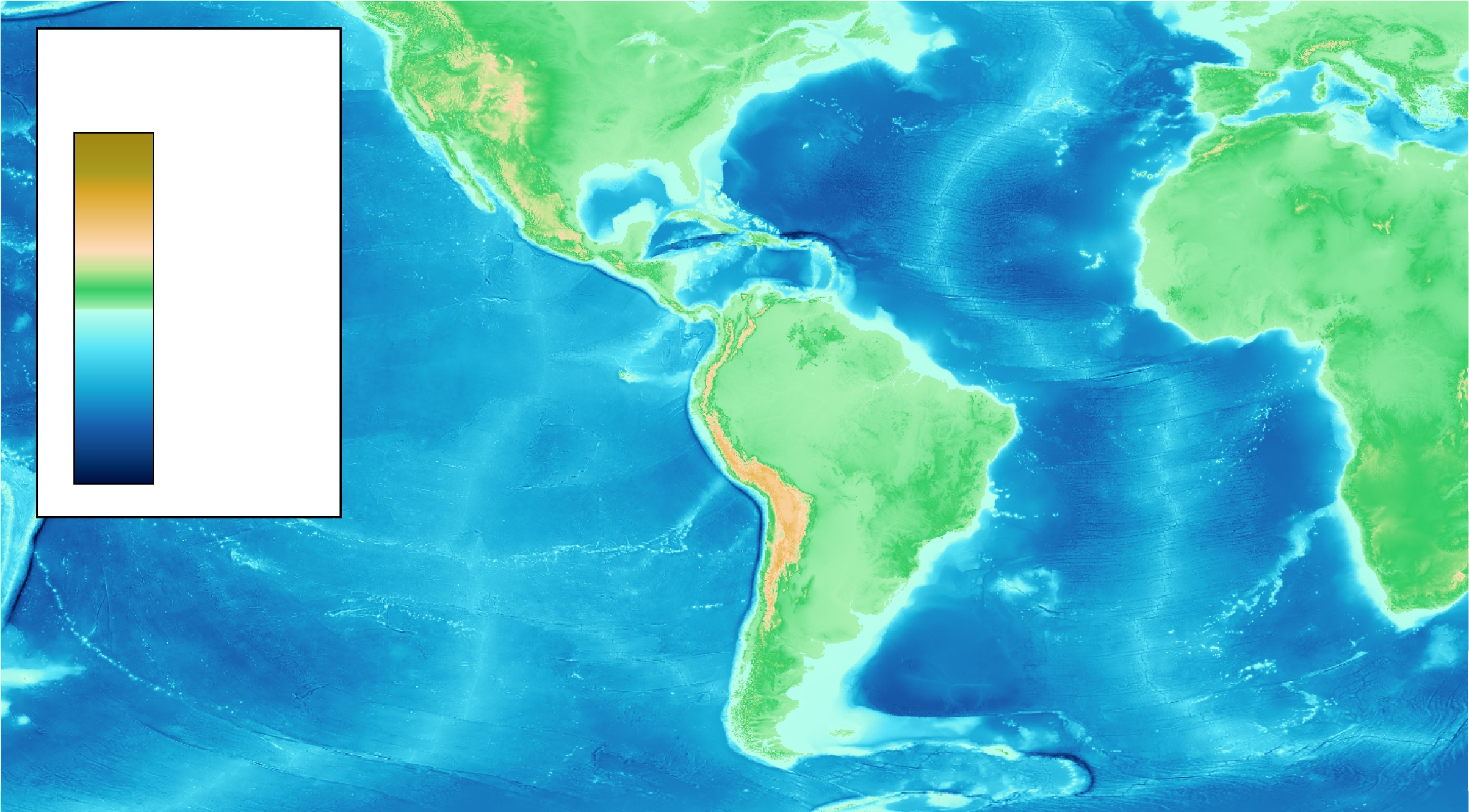
The research team used sedimentary records at different depths in the equatorial Atlantic to measure high-resolution neodymium isotopes (εNd) and reconstruct the distribution of deep water during the intensification phase of the Northern Hemisphere glaciation approximately 2.73 million years ago.
Main conclusions
Studies have found that there is a clear latitudinal and depth neodymium isotope gradient in the late Pliocene deep Atlantic Ocean, while this feature is not obvious in the early Pleistocene.
Based on this, the author argues that the spatial influence of NADW expanded during the intensification of the Northern Hemisphere glaciation.
Meanwhile, the reconstruction results suggest that the glacial-interglacial changes within the NADW region may not have been significant during the late Pliocene and early Pleistocene.
Future Outlook
This research contributes to understanding the structure of deep ocean circulation under warm climate conditions and the formation mechanism of deep water in the Atlantic Ocean during climate transition. Further cross-validation with more marine sedimentary records and numerical simulations is needed.
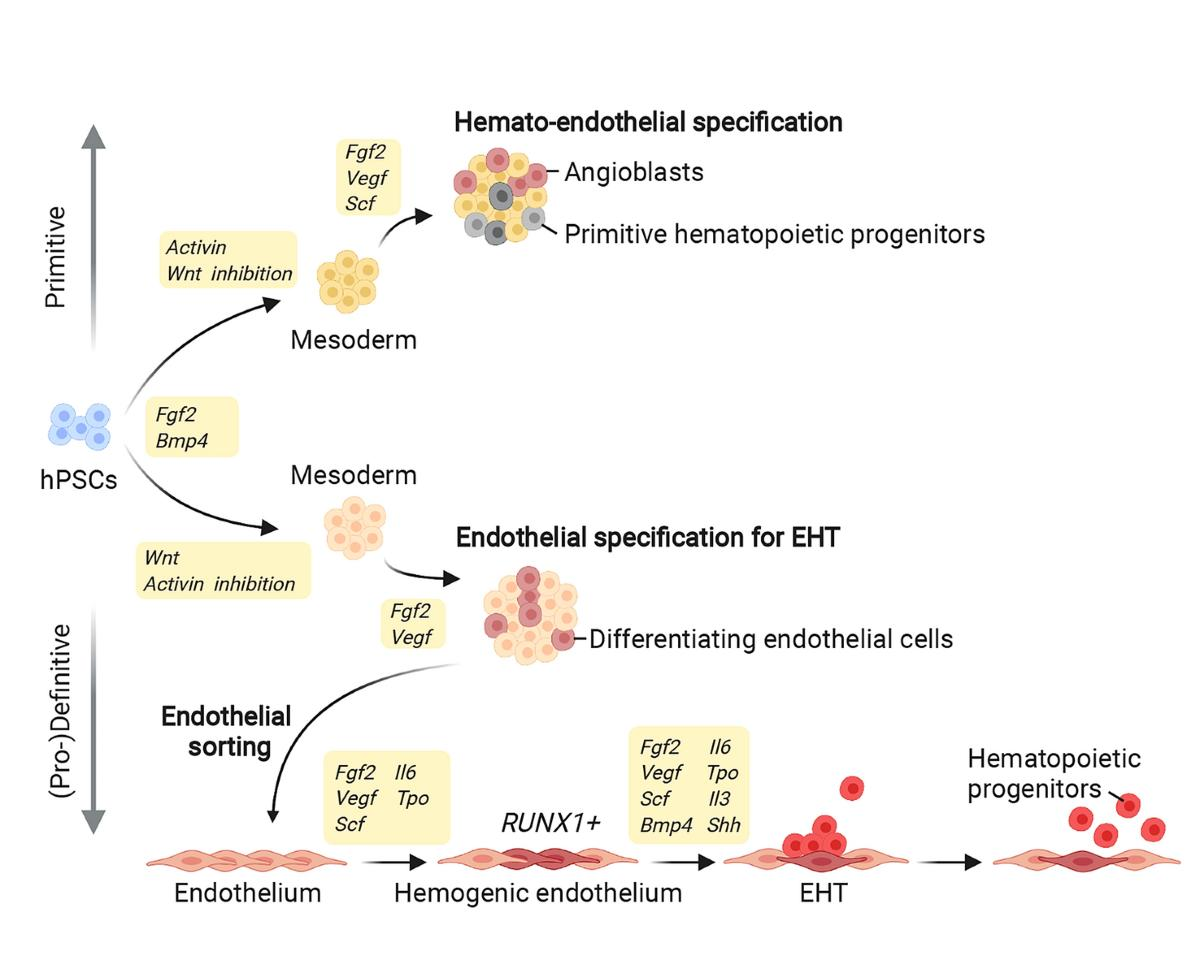
Chinese title: Ikaros transcription factor prevents bone marrow hematopoietic stem cells and progenitor cells from initiating the endothelial cell process.
Research Background
Hematopoietic stem cells (HSCs) are generally considered to have a defined hematopoietic differentiation identity, but how cells maintain this identity long-term and how they avoid initiating other cell lineage programs remain many questions that need to be studied.
Research Content
The research team analyzed the role of Ikaros family transcription factors in maintaining the identity of hematopoietic stem cells, focusing on the regulation of related gene expression and cell differentiation status by Ikaros and Helios.
The study observed changes in the transcriptome and cell phenotype of hematopoietic stem cells and progenitor cells through in vivo and in vitro deletion experiments.
Main conclusions
Research has found that Ikaros and its synergistic effect with Helios are crucial for maintaining the pluripotent hematopoietic stem cell population in adult animals.
When Ikaros or Ikaros with Helios are deleted, nearly one-third of hematopoietic stem cells and progenitor cells rapidly exhibit endothelial cell-associated transcriptional features and develop structures similar to CD144-positive endothelial cells.
This indicates that hematopoietic cells have a certain degree of lineage plasticity, and that Ikaros family transcription factors are important regulators that prevent them from erroneously initiating endothelial cell programs.
Future Outlook
Further research is needed to investigate how Ikaros directly regulates key genes and whether this cell identity maintenance mechanism is related to bone marrow diseases, abnormal hematopoiesis, and tissue repair.
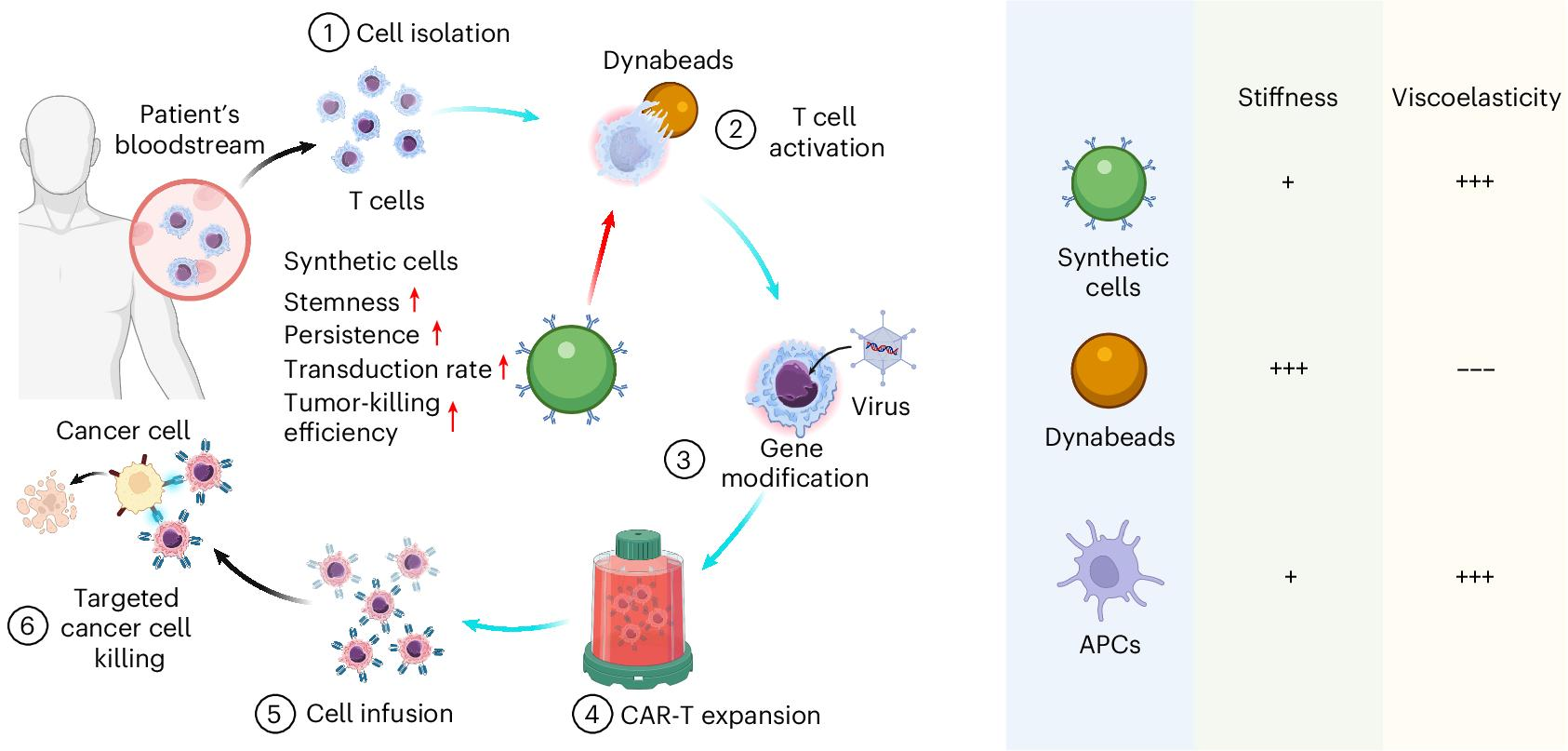
Chinese title: The viscoelasticity of synthetic antigen-presenting cells improves TCR-T cell production and therapy by remodeling T cell metabolism.
Research Background
TCR-T cell therapy, which modifies a patient's T cells to recognize tumor-associated antigens, is an important research direction in immunotherapy for solid tumors.
However, the metabolic state, differentiation degree, and memory-like characteristics of T cells during in vitro expansion and production are influenced by a variety of factors. Whether the physical properties of the antigen-presenting interface can also regulate this process remains unclear.
Research Content
The research team developed Synthetic Viscoelastic Activated Cells (SynVAC). By modulating the stress relaxation characteristics of synthetic antigen-presenting cells, and under conditions of controlling stiffness and ligand density as independently as possible, they studied the effects on T cell receptor signaling and metabolic state.
Main conclusions
Rapidly relaxed SynVAC can enhance TCR signaling and mTOR activity, promote T cell metabolic state adjustment, and enable expanded antigen-specific T cells to exhibit better memory-like characteristics.
In melanoma and ovarian cancer models, TCR-T cells expanded using this method exhibited better persistence and anti-tumor activity.
Future Outlook
This study suggests that the mechanical properties of materials used in T-cell manufacturing may offer a novel means of process regulation. Further evaluation of its stability, scalability, and clinical safety in human cell manufacturing is still needed.
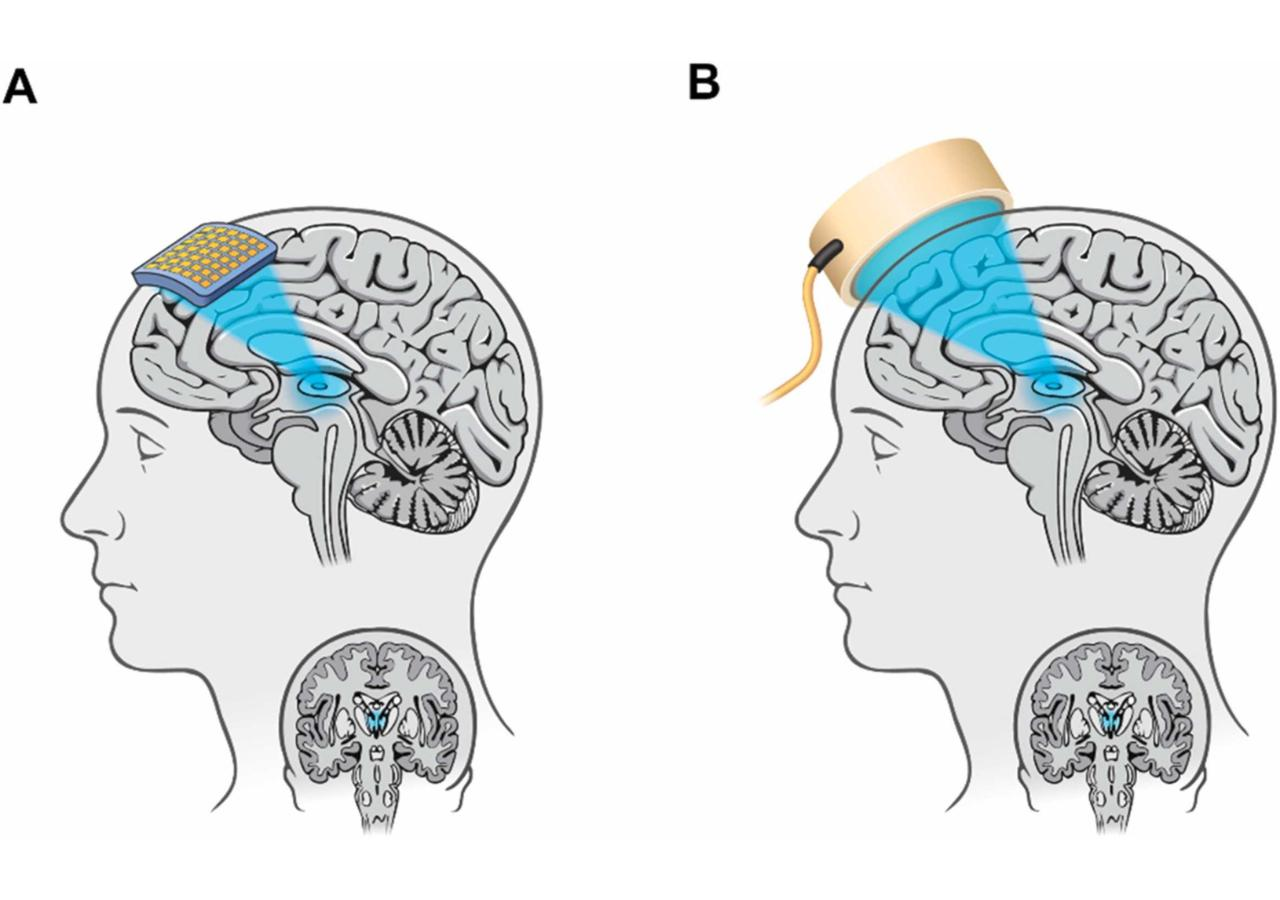
Chinese title: Focused ultrasound neuromodulation of the medial dorsal thalamus can affect decision-making flexibility during reward learning.
Research Background
During the learning process, people need to adjust their behavior based on reward feedback. For example, when a certain choice no longer brings the expected benefits, the brain needs to change its strategy in a timely manner.
The connection between the thalamus and the prefrontal cortex may be involved in this decision-making regulation, but its specific role in human reward learning still requires more direct evidence.
Research Content
The research team conducted an experiment on 37 patients who underwent MR-guided focused ultrasound thalamotomy for essential tremor, and assessed changes in their choices using a reward-reinforcement learning task before and after treatment.
The study focuses on analyzing whether patients can flexibly switch between different options based on feedback when the medial dorsal thalamus is affected.
Main conclusions
After thalamotomy, patients experienced a decrease in the proportion of switching options during tasks, but their overall task performance did not change to the same extent.
This phenomenon is related to the extension of postoperative edema to the medial dorsal thalamus, suggesting that this area may be involved in the process of adjusting selection strategies based on value information.
Future Outlook
In the future, we can combine larger samples, long-term follow-up, and more detailed brain region imaging to study how information interaction between the thalamus and prefrontal cortex affects learning and cognitive flexibility.
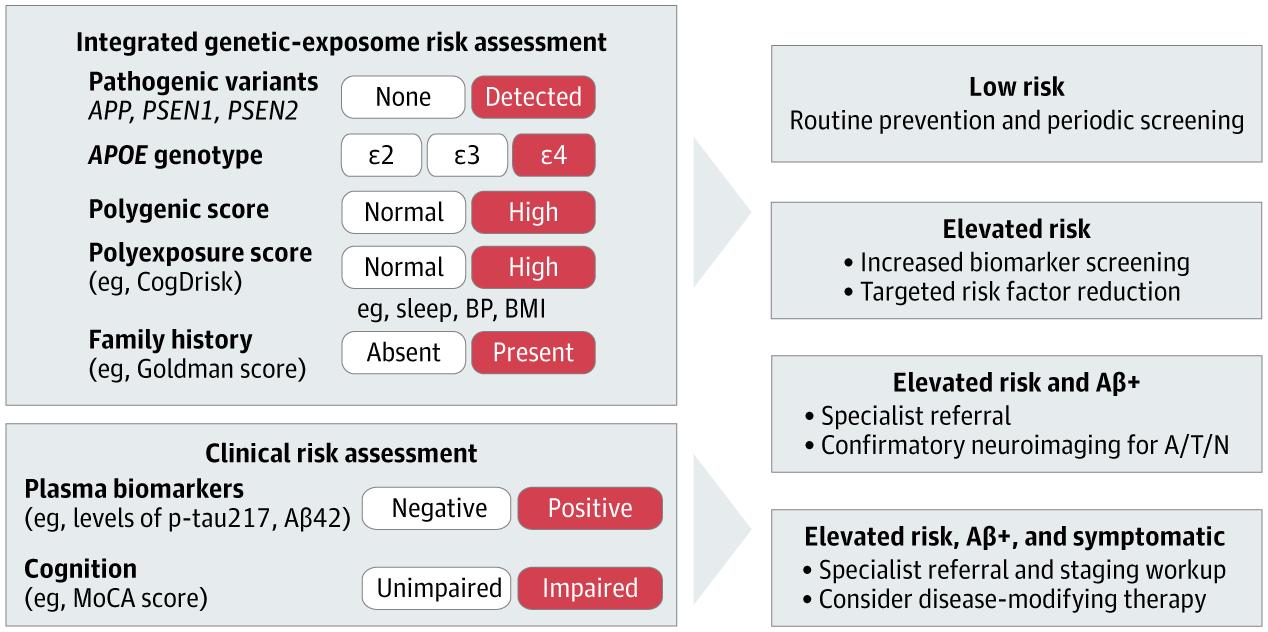
Chinese title: Disclosure of apolipoprotein E genotype and phosphorylated Tau 217 detection results via digital platform: eSMARTER randomized clinical trial
Research Background
As genetic risk testing and blood biomarker testing for Alzheimer's disease become more widespread, patients may be able to view their test results themselves through electronic medical platforms.
However, genetic risk information may cause anxiety and misunderstanding. Therefore, how to improve the efficiency of results disclosure while ensuring patients' understanding and mental health is an important issue in digital healthcare.
Research Content
The eSMARTER study included 651 adults and compared two methods of outcome disclosure:
The study also provided optional plasma p-tau217 results to some participants and assessed anxiety, disease-related distress, and disease knowledge.
Main conclusions
The study found that disclosing APOE genotype results on digital platforms met the non-inferiority criteria at the preset time point, and there were no clinically significant differences in knowledge acquisition, anxiety, and disease-related distress compared to remote disclosure by clinicians.
This result supports digital platforms as a scalable way to disclose genetic and biomarker findings in Alzheimer's disease.
Future Outlook
In the future, it is necessary to assess the applicability to populations with different cultures, health literacy, and risk awareness levels, and to establish supporting mechanisms that can provide professional explanations and psychological support when patients have questions.
Chinese title: Mental health needs and the use of emotional support AI
Research Background
Generative artificial intelligence has become a channel for some people to seek emotional support and psychological information, but the use of AI among different mental health needs and the relationship between such use and accessibility of medical services still lack sufficient research.
Research Content
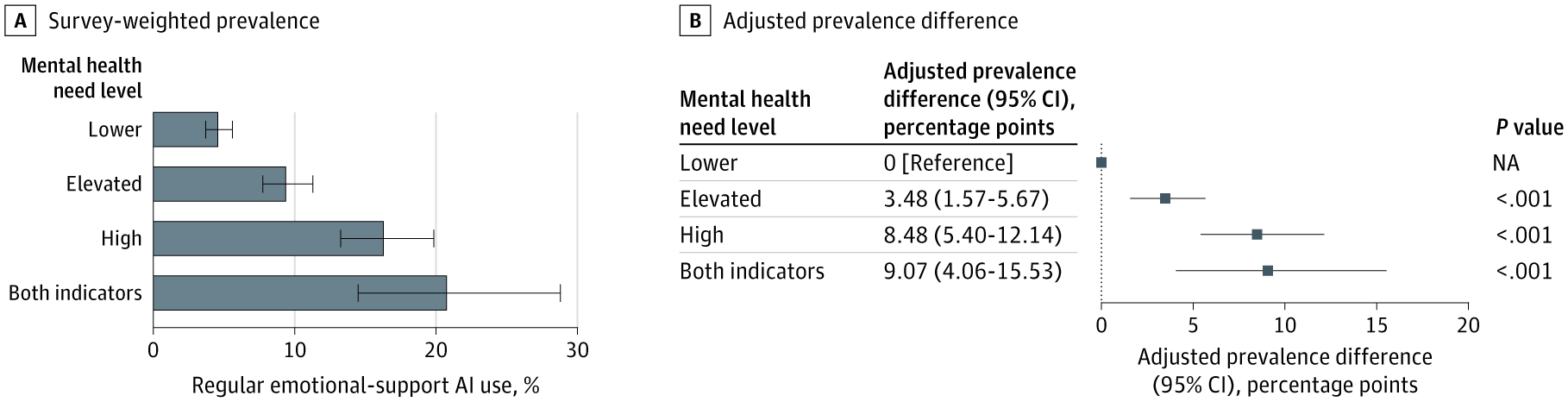
The research team used data from a Japanese online survey to conduct two longitudinal analyses, focusing on people without a fixed source of medical services, and compared the relationship between mental health needs and subsequent use of generative AI for emotional support.
The analysis included 6,852 respondents.
Main conclusions
Research has found that the regular use of emotionally supportive generative AI increases with rising mental health needs:
| Categories of Mental Health Needs | Regularly use of weighted proportions of emotionally supportive AI |
|---|---|
| lower demand | 4.6% |
| higher demand | 9.4% |
| High demand | 16.3% |
| Simultaneously exhibiting high levels of psychological distress and current mental illness indicators | 20.7% |
Research suggests that AI may become a channel for some people with insufficient access to medical services to seek emotional support.
Future Outlook
Future research should focus on the actual effects, potential risks, and user dependence of AI-assisted emotional support, as well as the capabilities of AI systems in identifying psychological crises and providing professional referrals.
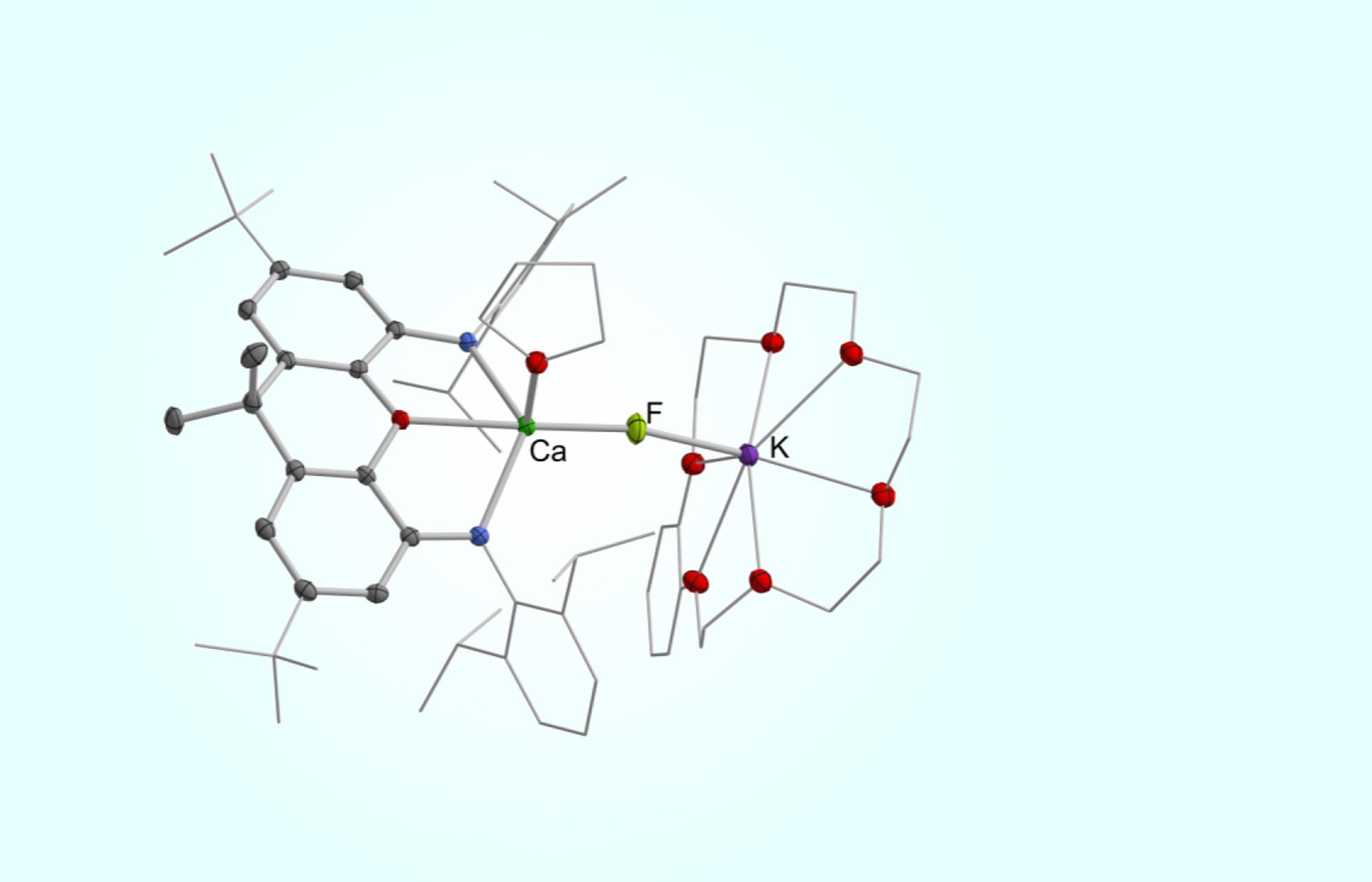
Chinese title: Calcium-catalyzed nucleophilic fluorination reaction
Research Background
Fluorine atoms in organic molecules can significantly affect the electronic structure, stability, and biological activity of molecules. Therefore, nucleophilic fluorination reactions are of great value in medicinal chemistry and the synthesis of fine chemicals.
Traditional catalytic systems often rely on transition metals, while achieving highly selective catalysis using main group elements with high abundance still faces challenges.
Research Content
The research team proposed a nucleophilic fluorination catalytic system based on calcium complexes.
This system enables calcium complexes to capture and release fluoride ions through the Ca–F interaction of ligands with special spatial structures, thereby achieving fluoride ion transfer in the catalytic cycle.
Main conclusions
Studies have shown that calcium can act as a fluoride ion carrier in catalytic reactions and improve the selectivity of nucleophilic substitution relative to elimination reactions by regulating the binding and release of fluoride ions.
This research expands the design ideas for non-transition metal catalytic reactions.
Future Outlook
Future research should further expand the substrate scope, investigate the impact of different calcium ligand structures on reaction efficiency, and evaluate the applicability of this system in the late-stage modification of complex drug molecules.
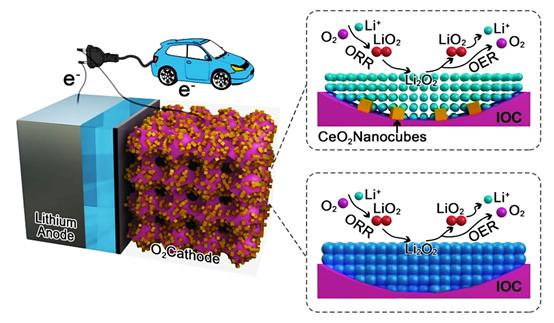
Chinese title: Machine learning-driven regulation of four-electron LiOH reaction pathway and long-cycle lithium-oxygen batteries
Research Background
Lithium-oxygen batteries have a high theoretical energy density, but their practical applications are limited by problems such as slow redox kinetics, unstable discharge intermediate products, and dendrite formation in lithium metal anodes.
Regulating the oxygen reaction pathway through catalyst design is an important direction for improving the cycle life of lithium-oxygen batteries.
Research Content
The research team combined interpretable machine learning with density functional theory (DFT) to screen a large number of candidate active sites, focusing on finding diatomic catalytic structures that can promote multi-electron transfer.
The study identified Ni-Co diatomic catalytic sites and investigated their regulatory role in the LiOH formation pathway.
Main conclusions
Studies have shown that Ni-Co diatomic sites can promote the transition from traditional two-electron reactions to four-electron reaction pathways and improve redox processes.
The authors reported the following results:
Future Outlook
Further steps require verifying the stability of the catalyst under different current densities, temperatures, and battery structures, and further evaluating the utilization rate of active materials and energy efficiency in actual batteries.
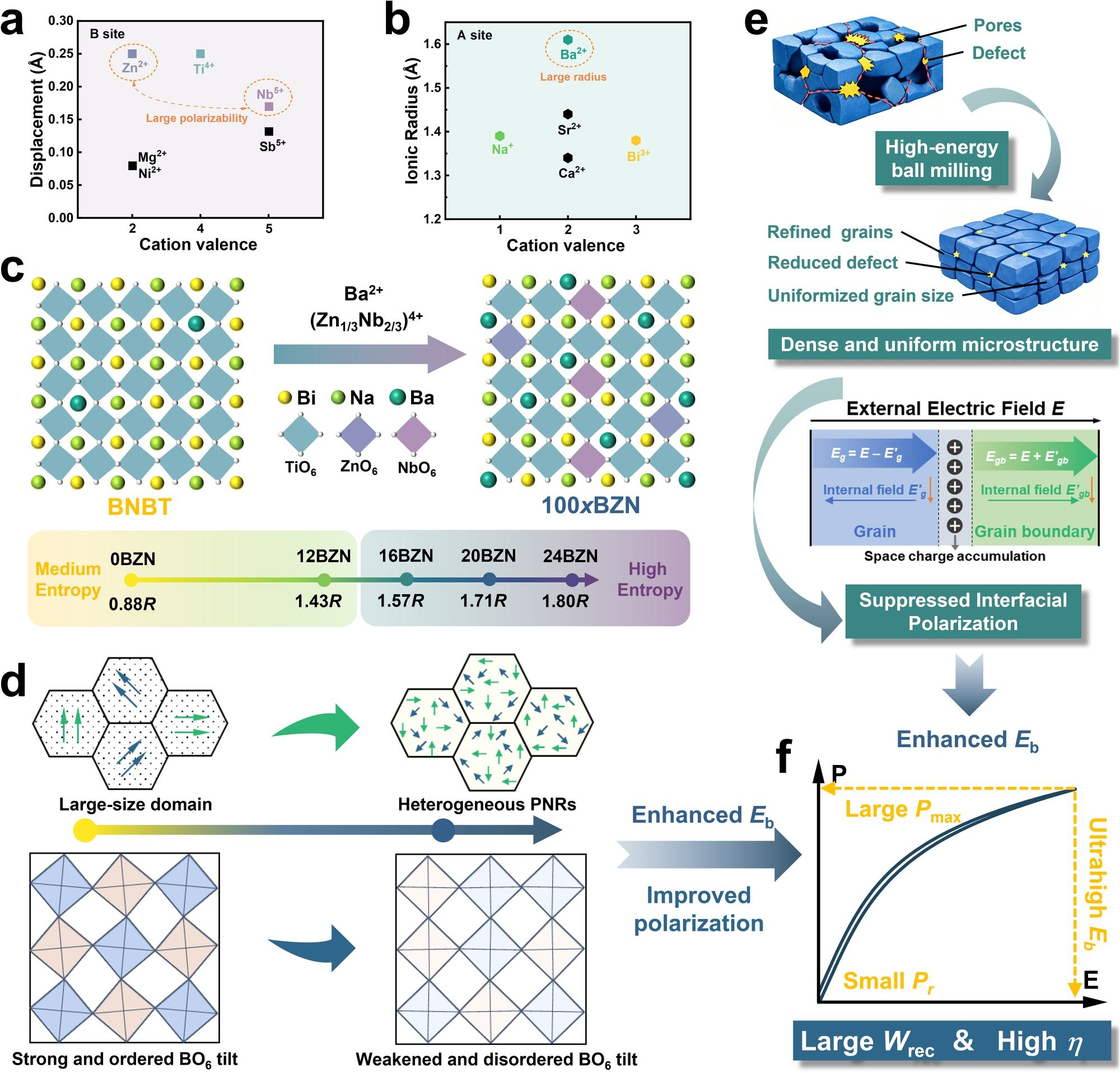
Chinese title: Dual-function unit regulation enhances the energy storage performance of high-entropy relaxor ferroelectric materials
Research Background
Dielectric ceramic capacitors have a fast charge and discharge response speed, making them valuable for applications in pulse power systems and high-power electronic devices.
However, materials often face a trade-off between recoverable energy storage density and breakdown strength: increasing polarization capability does not necessarily maintain high breakdown strength at the same time.
Research Content
The research team employed high-entropy composition design and microstructure optimization in Bi, Na, Ba, and Ti-based ceramics to adjust the local polarization structure and the tilted state of oxygen octahedrons.
Simultaneously, high-energy ball milling is used to refine the grains and improve the material density.
Main conclusions
The optimized material achieves:
The study shows that by simultaneously adjusting local polarization and crystal structure, the performance trade-offs of traditional dielectric materials can be alleviated to some extent.
Future Outlook
Future research should focus on long-term fatigue under high field conditions, temperature stability, batch fabrication consistency, and device-level packaging performance.
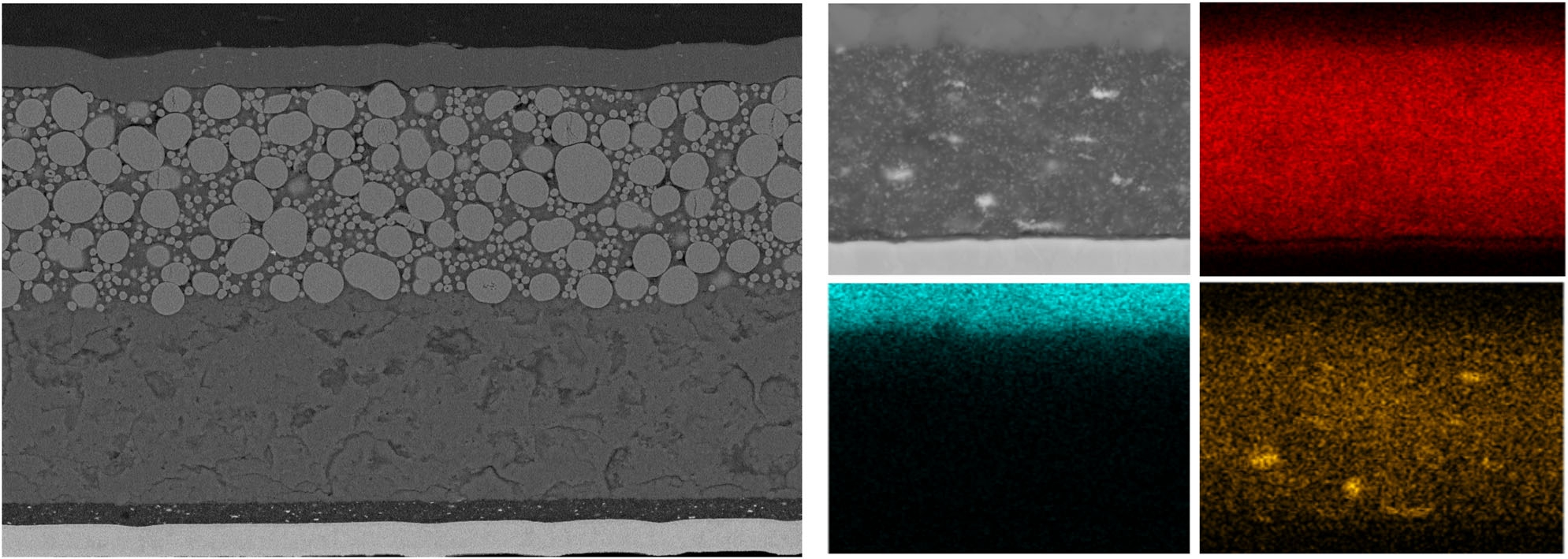
Chinese title: Low-Temperature Operation Mechanism of Ag-C Electrodeless All-Solid-State Pouch Battery
Research Background
Electrodeless all-solid-state batteries hold promise for increasing energy density, but their low-temperature performance remains limited.
Especially at low temperatures, the lithium alloying process at the Ag–C interface may slow down, affecting lithium-ion transport and battery cycle stability.
Research Content
The research team combined in-situ X-ray absorption spectroscopy, low-temperature cross-sectional electron microscopy, and X-ray diffraction to study the reaction process of the Ag–C interface at different temperatures.
Main conclusions
Studies have found that the Li–Ag alloying process at the Ag–C interface exhibits a significant temperature dependence.
At 5°C, lithium alloying kinetics are suppressed, which may lead to slower lithium transport, internal lithium deposition, and interfacial delamination.
The research team proposed performing an initial charge at 45°C to form a Li–Ag alloy at the Ag–C interface, thereby improving low-temperature lithium transport.
According to this activation strategy, the pouch cell retains approximately 87% of its initial capacity after 250 cycles at 5°C.
Future Outlook
This method offers a way to improve low-temperature performance without redesigning materials. Further research is needed on the energy cost of initial high-temperature activation, practical cold-start capability, and stability at different battery sizes.
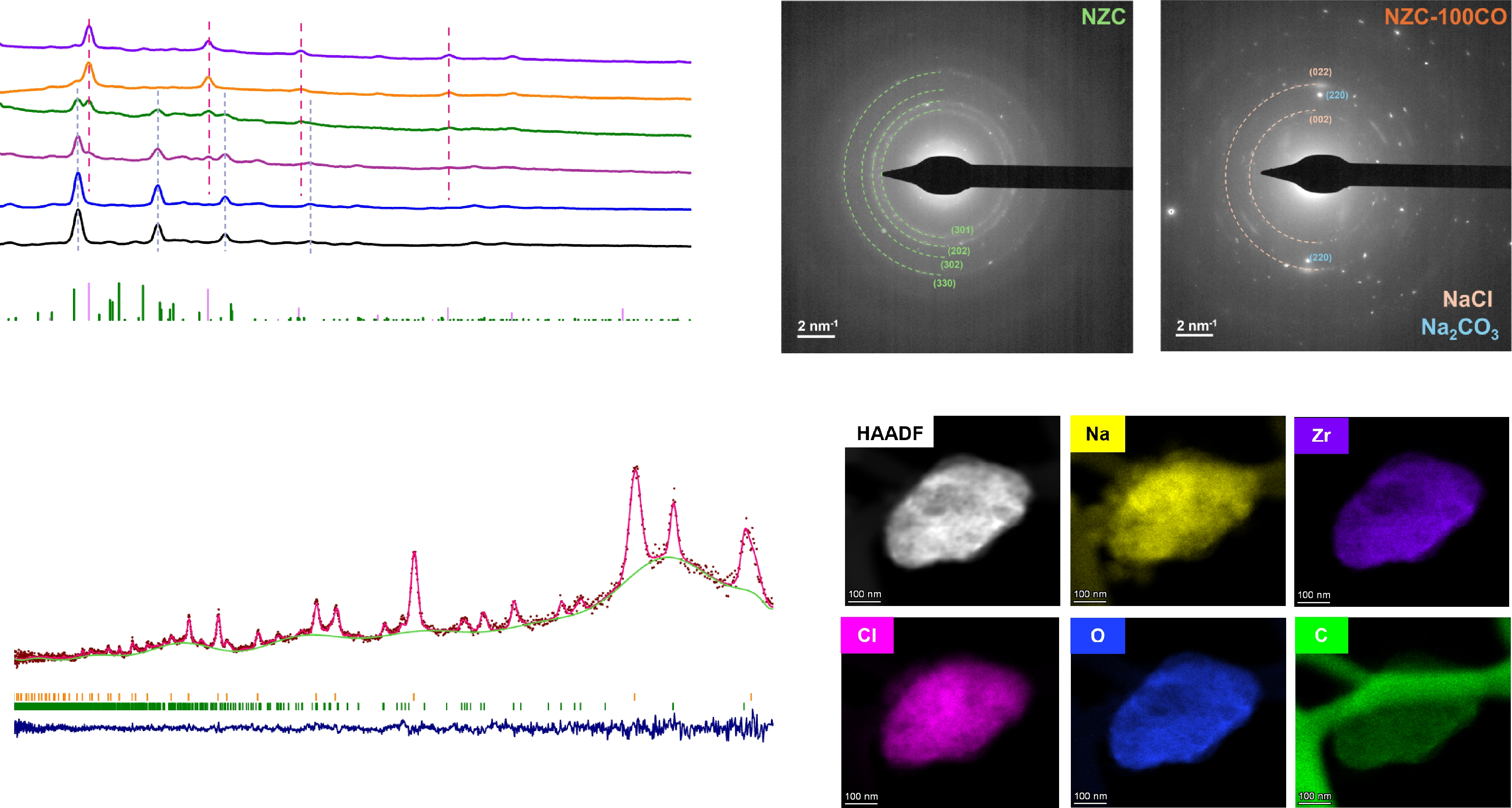
Chinese title: Highly conductive halide sodium ion electrolytes can be constructed by low-cost substitution of heterovalent carbonate ions.
Research Background
Solid-state sodium-ion batteries have potential in terms of resource cost, but halide solid electrolytes still face the problem of insufficient ionic conductivity.
Zirconium-based halides have the advantage of relatively low cost, but their structure and sodium ion migration ability need further optimization.
Research Content
The research team used sodium carbonate (Na₂CO₃) as a low-cost precursor and introduced heterovalent carbonate polyanions to regulate the structural disorder and local ion migration environment of zirconium-based halide electrolytes.
Main conclusions
The optimized material achieved a sodium ion conductivity of 1.02 mS/cm at 25℃.
The all-solid-state sodium battery assembled with NaCrO₂ as the positive electrode achieved an initial discharge capacity of 117 mAh/g and stable operation for 850 cycles under 0.3C conditions.
Future Outlook
Future research should focus on the interfacial reactions between the electrolyte and the electrode, ion transport behavior at different temperatures, and the consistency of material preparation in large-area batteries.
Chinese title: Improving ceramic brittleness through phase transformation-induced plasticity and twinning-induced plasticity
Research Background
Ceramic materials typically have high hardness and heat resistance, but they are prone to brittle fracture due to the limited plastic deformation mechanisms that can be initiated at room temperature.
Improving the deformability of ceramics while maintaining high hardness is an important direction in the research of advanced structural materials.
Research Content
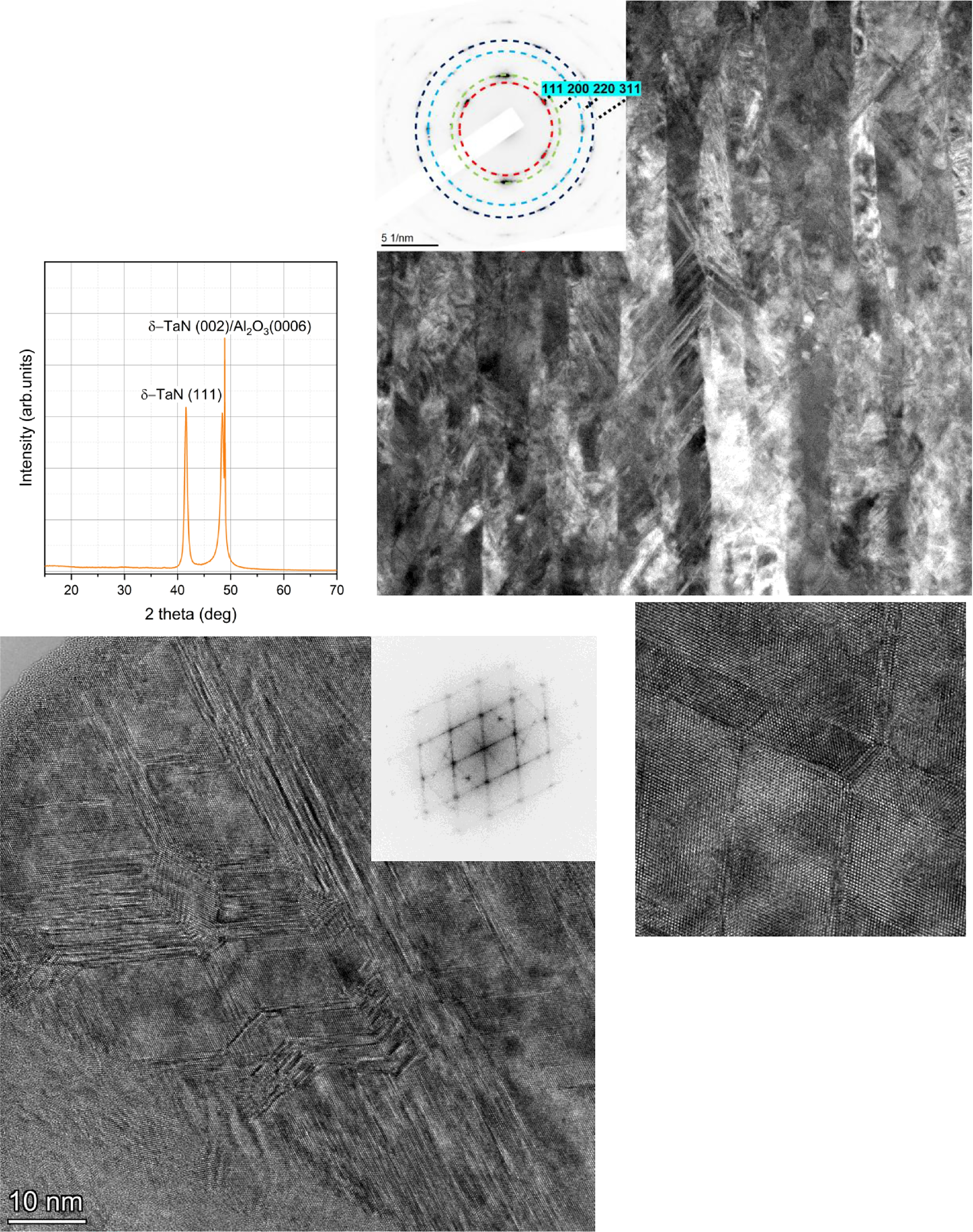
The research team prepared δ-TaN ceramic films with hierarchical nanotwin structures through physical vapor deposition, and combined micromechanical testing, atomic-resolution characterization and first-principles molecular dynamics simulation to analyze the effects of phase transformation and twinning on plastic deformation.
Main conclusions
The study found that phase transformation-induced plasticity and twinning-induced plasticity can work synergistically in this ceramic thin film.
The material can achieve a maximum compressive strain of about 60% while maintaining a hardness of about 43 GPa without catastrophic fracture.
Future Outlook
This research provides insights into designing ceramic materials that combine hardness and damage tolerance. Further research is needed to validate their performance in bulk materials, under tensile loads, cyclic loads, and complex environments.
Chinese title: Flat-band induced integer doping and phase transition in monolayer graphene
Research Background
The van der Waals heterostructure composed of graphene and hexagonal boron nitride (hBN) can form a moiré superlattice and produce flat bands, localized states, and abundant electronic correlation phenomena.
How to actively control its structure and electronic state is an important issue in the research of two-dimensional quantum materials.
Research Content
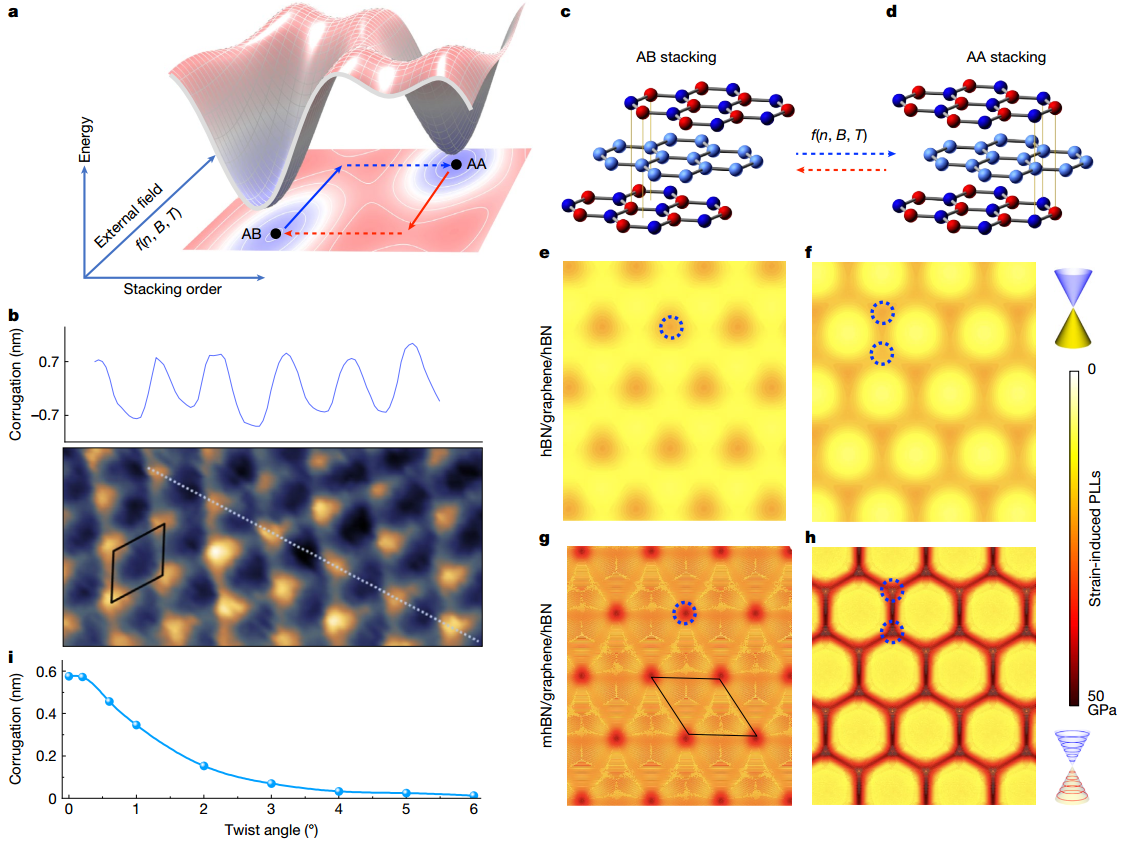
The research team constructed a double-aligned graphene/hBN heterostructure, adjusted the structural stability by external conditions such as gate voltage, magnetic field and temperature, and analyzed the phase transition process by combining scanning tunneling microscopy, transport measurement and theoretical calculation.
Main conclusions
Research has found that external regulation can trigger reversible stacking phase transitions in heterostructures, while simultaneously switching the graphene doping state between p-type and n-type.
Unlike conventional continuous doping, the study observed integer doping phenomena corresponding to moiré cells and linked them to strain-induced pseudo-Landau levels and local flat bands.
Future Outlook
This result provides a new direction for tuning the structure and electronic states of two-dimensional materials using an external electric field. Future research could explore more multilayer van der Waals heterostructures and the relationship between this integer doping mechanism and correlated electronic states.
Chinese title: Fully integrated perovskite active polariton photonic circuit
Research Background
Integrated photonic circuits can use optical signals to perform high-speed information processing, but the optical nonlinear effects of traditional materials are usually weak, which limits the amplification, modulation and phase control capabilities of the devices.
Polaritons formed by exciton-photon mixing exhibit strong nonlinear characteristics and are expected to be used in novel on-chip optical devices.
Research Content
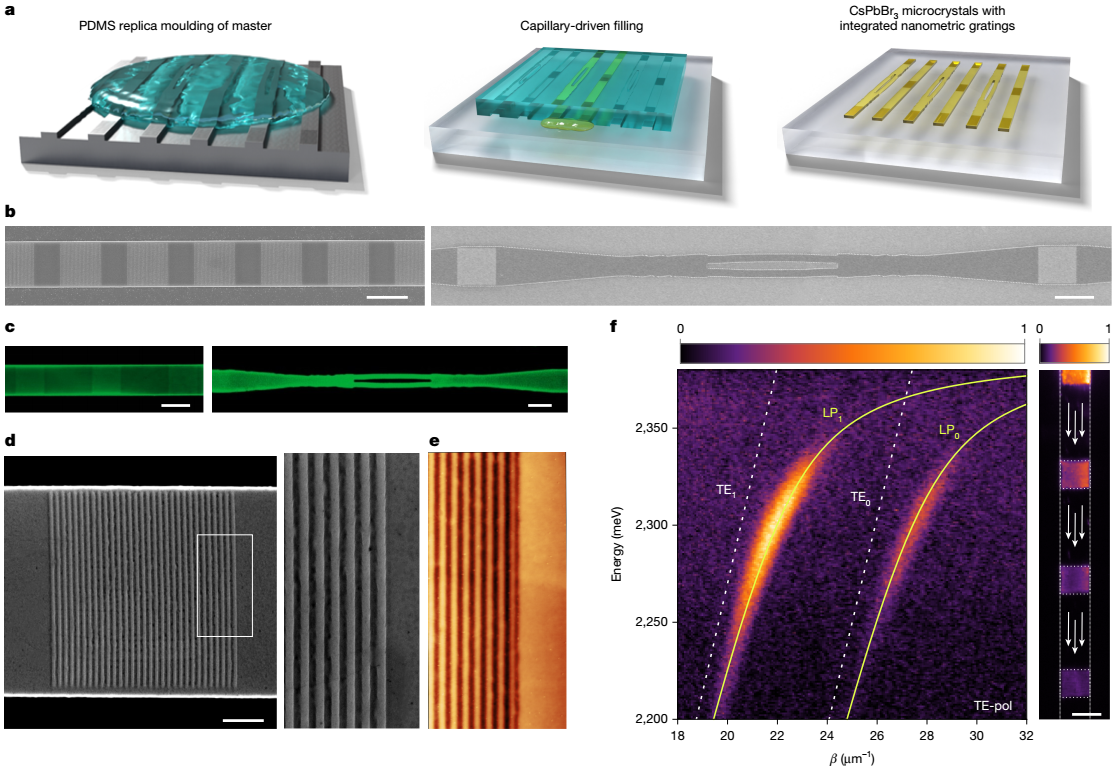
The research team used CsPbBr₃ perovskite to fabricate integrated waveguide and grating structures through soft lithography and microfluidics, integrating optical coupling, feedback and propagation functions on the same platform.
Main conclusions
This device enables on-chip polariton lasing, propagation signal amplification, and nonlinear phase control at room temperature.
The study also demonstrated that controlling the phase of propagating optical signals through integrated structures provides a new approach for compact interferometric photonic devices.
Future Outlook
Future research could focus on the long-term stability, integration density, manufacturing consistency, and actual optical computing performance of the device, and explore its applications in optical neuromorphic computing.
Chinese title: Structure-guided wavefront neural encoder for wide-range generalization of 3D holography
Research Background
Deep learning has been widely used in computational holography, but many models rely on specific wavelengths or propagation distances, and often need to be retrained or fine-tuned when different imaging conditions are used.
How to integrate the physical laws of diffraction into neural networks to enable the model to have better cross-condition generalization ability is an important problem in computational optics.
Research Content
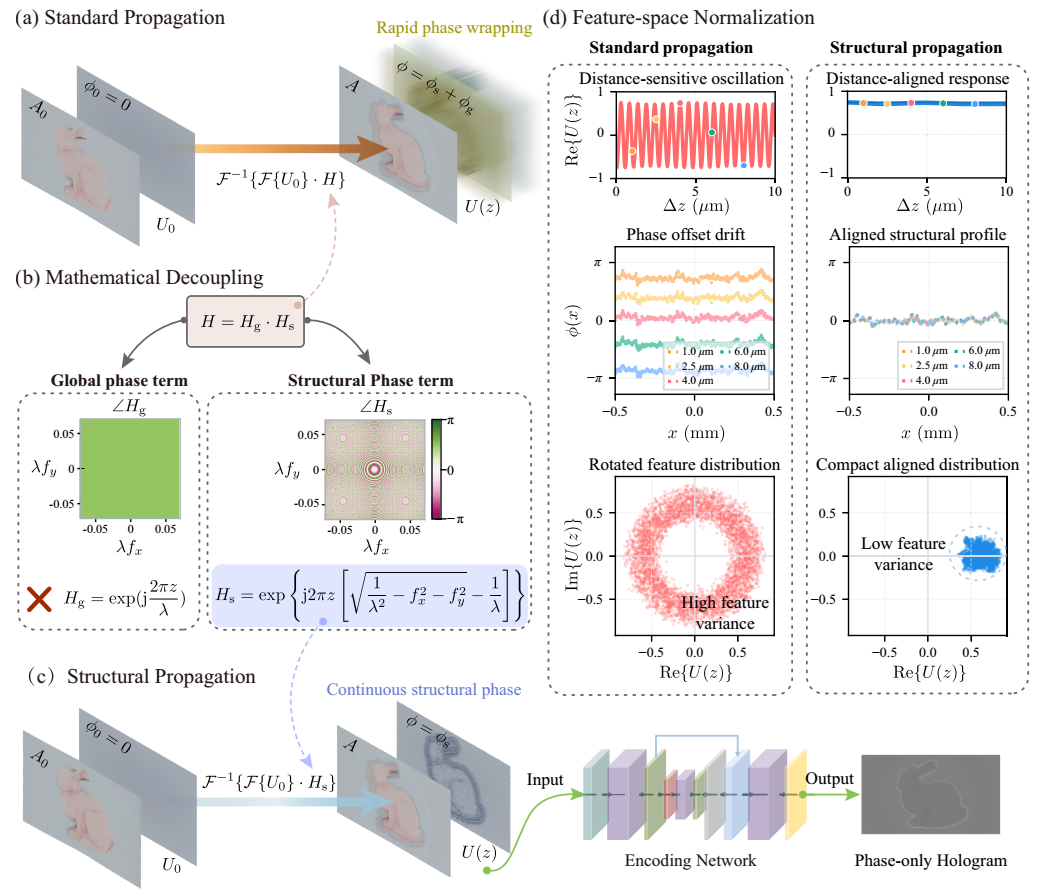
The research team proposed the Structure-Guided Wavefront Neural Encoder (SGWN-Encoder), which combines the physical structure of diffraction propagation with a neural network and reduces the impact of propagation distance and wavelength variations through a parameter normalization strategy.
The study also adopted a training approach that does not rely on external image datasets, using random complex amplitude fields to learn the relationship between light field propagation and phase-type holograms.
Main conclusions
The research report states that the single model achieves an average RGB PSNR of approximately 31.9 dB and an SSIM of approximately 0.91 within the main 2–200 mm propagation range, and can maintain reconstruction capability up to a propagation distance of 500 mm.
The study demonstrated its application potential in full-color 3D scene reconstruction through numerical simulation and optical experiments.
Future Outlook
Further research is needed to verify the generalization ability under different optical systems, noise environments, imaging devices, and wider wavelengths, and to evaluate the model's real-time performance in actual holographic display devices.
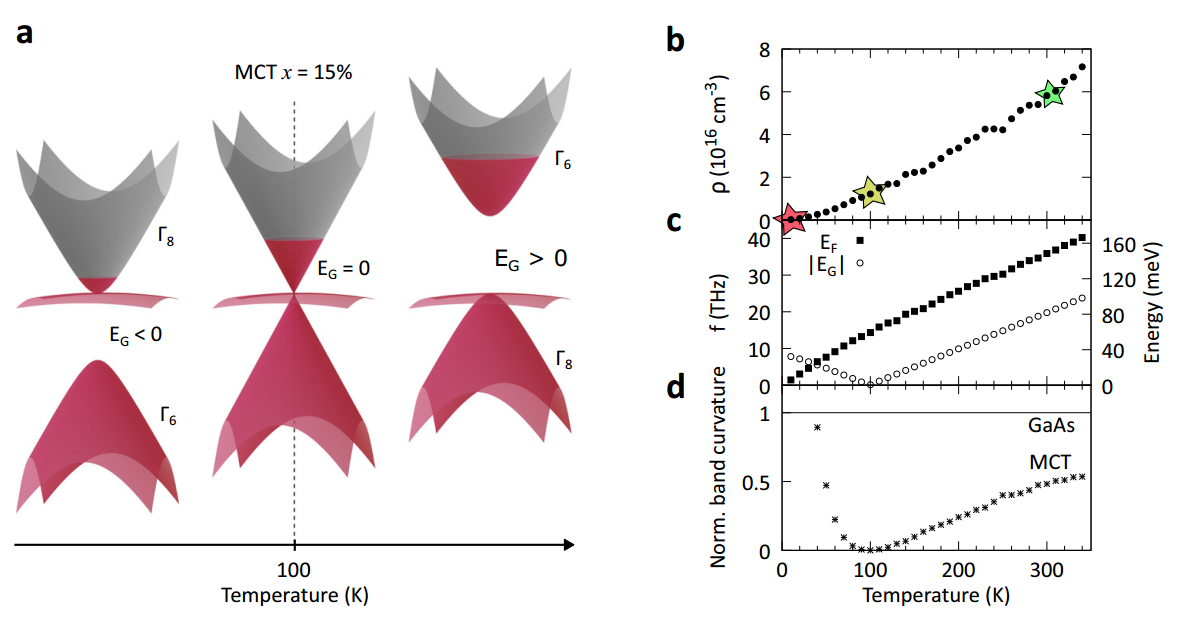
Chinese title: Deep Intense Light-Matter Coupling in 3D Kane Fermions and its Dicke-less Criterion
Research Background
Deep, intense light-matter coupling is an important area of research in quantum electrodynamics. In this state, the interaction strength between the light field and the matter excitation exceeds the characteristic frequency when they are not coupled.
Whether Dicke superradiative phase transitions can occur in electronic systems with linear dispersion has long been a subject of theoretical debate.
Research Content
The research team used a mercury cadmium telluride thin film with a Kane fermion band structure and coupled it with a Fabry–Pérot resonant cavity, adjusting the light-matter coupling strength by temperature and carrier concentration.
Main conclusions
The study achieved a deep strong coupling state with a single-mode coupling strength ratio of 1.6, and found that the diamagnetic A² term can still appear under linear dispersion conditions.
This result explains why the system did not exhibit the expected Dicke superradiative phase transition even when it reached deep, strong coupling.
Future Outlook
In the future, we can further explore other low-effective-mass materials, different resonant cavity structures, and light-matter coupling phenomena under non-equilibrium conditions.
Chinese title: Gamma-ray pulsars discovered using a grid algorithm
Research Background
Pulsars are rapidly rotating neutron stars, and their radiation signals may appear in long-term observation data with extremely low photon counts.
In gamma-ray data, a single photon may correspond to a very large number of stellar rotations, so the discovery of new pulsars often requires computationally intensive periodic searches.
Research Content
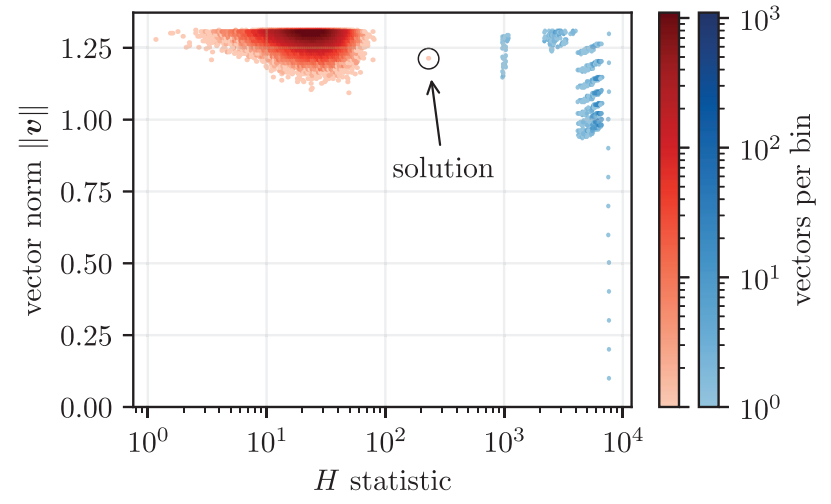
The research team used an algorithm based on high-dimensional grid short vector search to analyze long-term Fermi-LAT observation data in order to find gamma-ray signals with periodic variations.
Main conclusions
The research team reported the discovery of the gamma-ray pulsar PSR J1622−7204, which has a rotation frequency of approximately 261 Hz.
In 15 years of Fermi-LAT data, the algorithm completed the search in only about 10 CPU hours, while previous semi-coherent search methods required about 600 CPU years to find the target.
Future Outlook
This algorithm may help researchers find more pulsars, especially those in binary systems, when precise prior orbital information is lacking.
Chinese title: System scale dependence of collisionless magnetic reconnection rate
Research Background
Magnetic reconnection is an important process in which the topology of the magnetic field in plasma changes and releases magnetic energy. It plays a crucial role in solar flares, magnetospheric activity, and high-energy astrophysical phenomena.
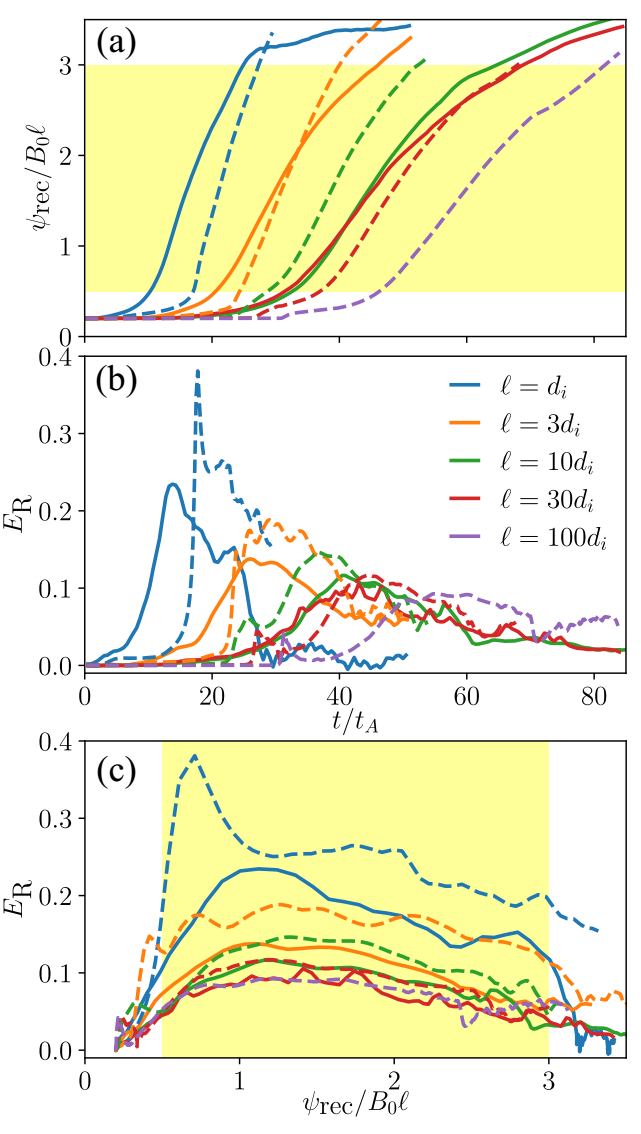
Traditional views hold that, after proper normalization, collisionless magnetic reconnection typically occurs rapidly at a rate close to 0.1 and is largely independent of macroscopic system scales.
Research Content
The research team used particle simulation and Hall magnetohydrodynamic simulation to conduct a systematic scaling study of Harris current sheets at different system scales.
The study pays particular attention to whether the initial current sheet thickness should vary synchronously with the system scale in order to maintain the consistency of the overall magnetic field configuration.
Main conclusions
The study found that, under scaling conditions that maintain a consistent overall magnetic field configuration, the traditionally accepted approximate universal fast reconnection rate no longer holds true.
As the system size increases, the reconnection rate decreases.
This result challenges the conventional view that magnetic reconnection rates are independent of the scale of macroscopic systems.
Future Outlook
Future research should combine this scale dependence with more complex solar, magnetospheric, and celestial plasma observations to study the impact of different initial magnetic field configurations, boundary conditions, and real physical environments on the energy release rate.
This issue's AI-related research goes beyond simply comparing the predictive accuracy of models; it begins to engage with more specific scientific questions:
This change illustrates that the value of AI in scientific research is extending from assisting analysis to experimental design, mechanism understanding, and optimization of complex systems.
Several materials studies in this issue share similar research approaches:
These studies collectively demonstrate that material properties are not solely determined by chemical composition; local structure, interface state, and microscopic deformation mechanisms are equally important.
Ikaros's research revealed an important transcriptional regulatory mechanism for maintaining hematopoietic stem cell identity; SynVAC's research linked extracellular viscoelasticity to T cell metabolism and differentiation.
These two studies, from the perspectives of gene regulation and materials mechanics respectively, demonstrate that the state of cells is not fixed but is influenced by a complex regulatory network.
Studies on integer doping of graphene show that structural phase transitions and electronic doping in two-dimensional heterostructures can be modulated by external conditions.
Perovskite polariton research integrates lasing, amplification, and phase control onto an on-chip platform.
This type of research is expected to drive the development of novel quantum material devices, optical computing, and ultracompact photonic systems.
Amazon forest phenology studies have used satellite remote sensing and machine learning to reveal seasonal leaf drop phenomena that are overlooked in traditional evergreen forest models.
Tropical biodiversity research analyzes the impact of land-use enhancement on the overall structure of ecosystems through cross-taxonomic surveys.
Both studies demonstrate that a single scale or single indicator may be insufficient to reflect the true changes in complex ecosystems.
The eSMARTER study supports digital platforms as a scalable way to disclose medical outcomes; while research on emotionally supportive AI suggests that people with higher mental health needs may use generative AI more frequently to seek emotional support.
Both of these directions point to the same issue: digital tools can improve the accessibility of information and support, but it is essential to simultaneously establish mechanisms for risk identification, professional referral, and user protection.
From November 14 to 20, 2026, noteworthy research in global scientific publications exhibited three distinct trends:
First, the integration of artificial intelligence and experimental science is deepening, with machine learning beginning to participate in catalytic design, optical propagation, and optimization of complex systems.
Second, the research focus of materials science has gradually shifted from improving single performance to the synergistic regulation of microstructure, interfaces, and multiple physical mechanisms.
Third, life science and medical research is paying more attention to the practical applications of cell state regulation, immune metabolism, neural circuits, and digital health services.
For researchers, the most noteworthy aspect of this issue is not just a single technical indicator, but a common trend emerging across different disciplines: improving the interpretability, verifiability, and scalability of scientific research through the combination of data, models, experiments, and physical mechanisms.