Table of contents
Hide
nanoflower
3D Scientific Model of a Nanoflower — C4D Source Files (RS Rendering)
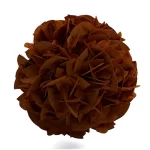
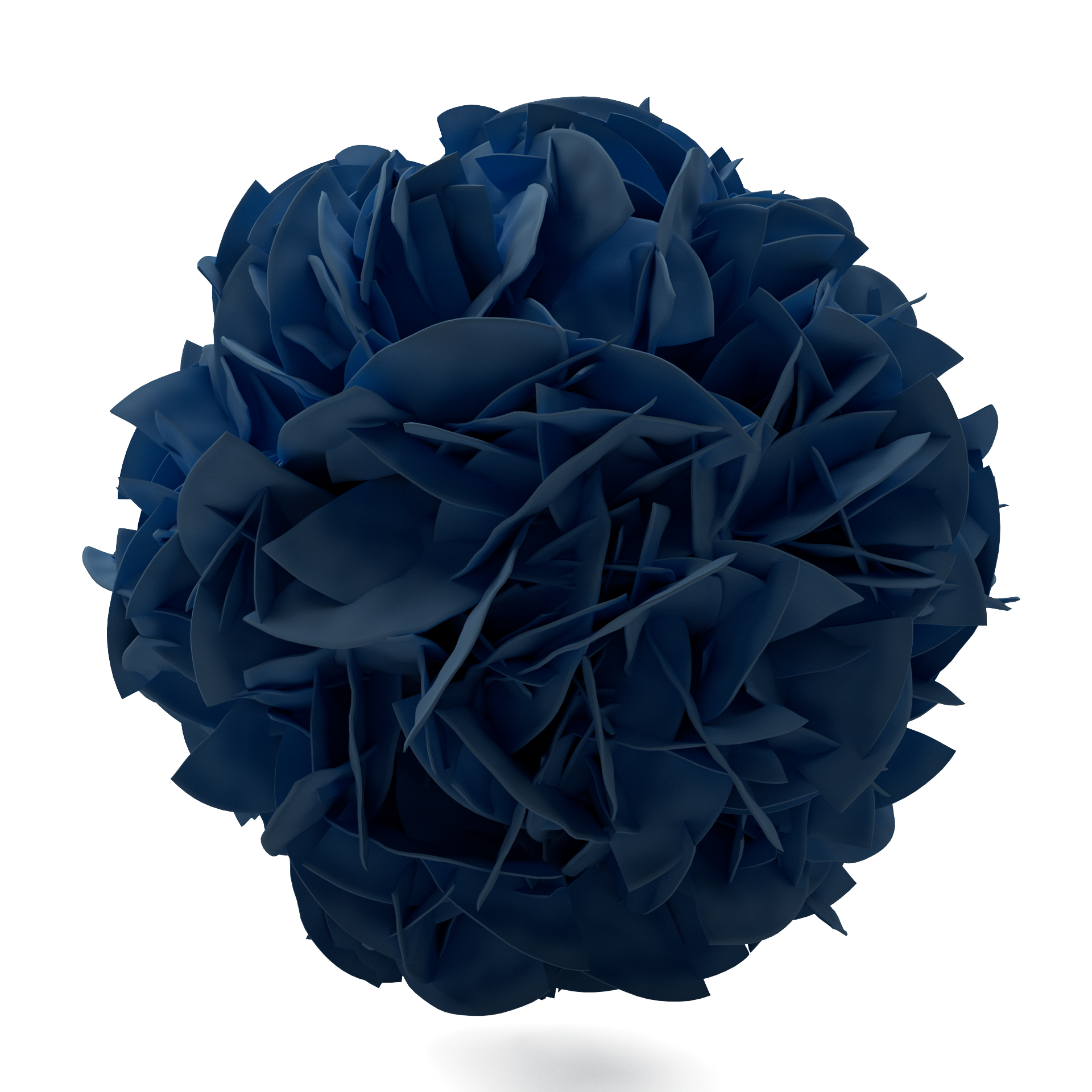
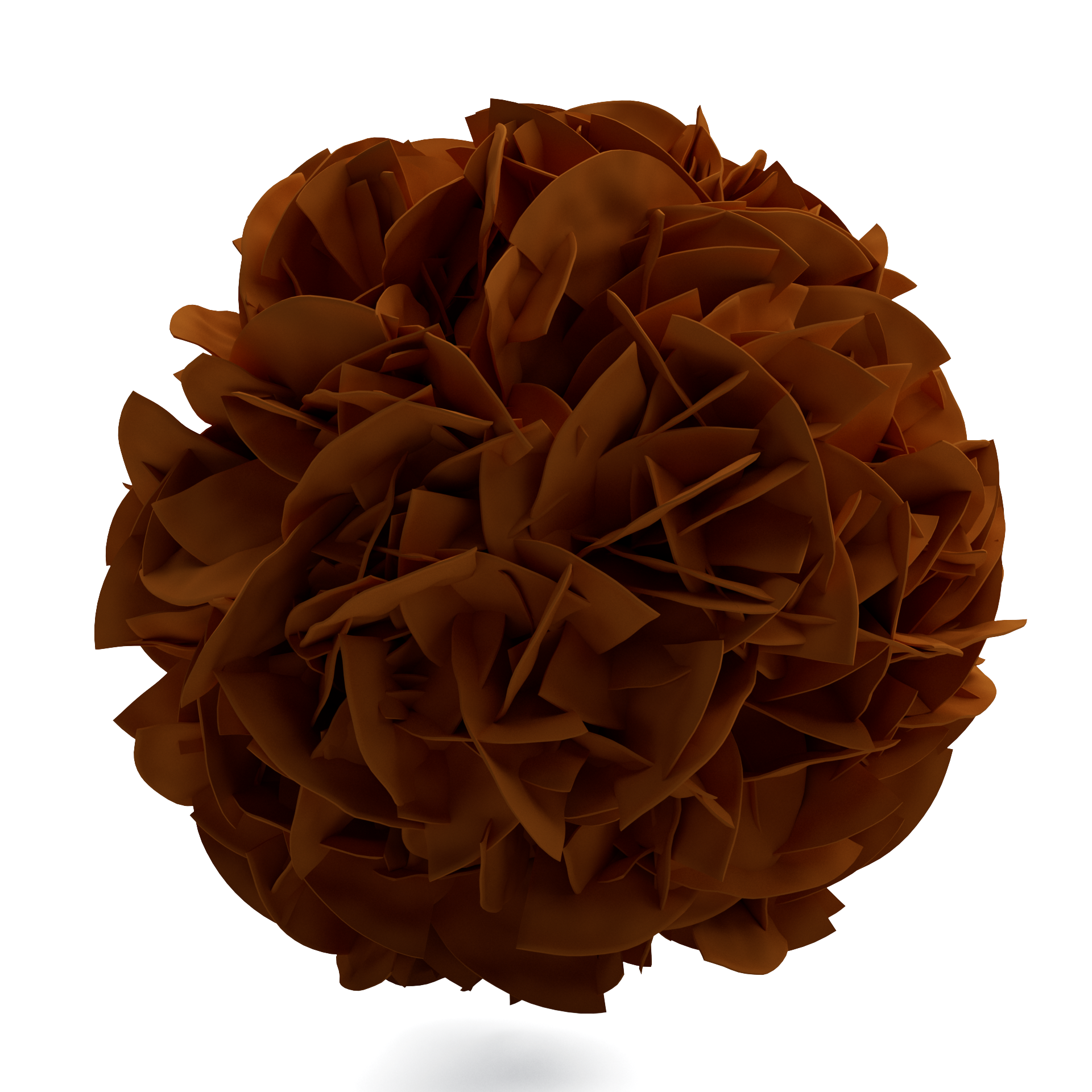
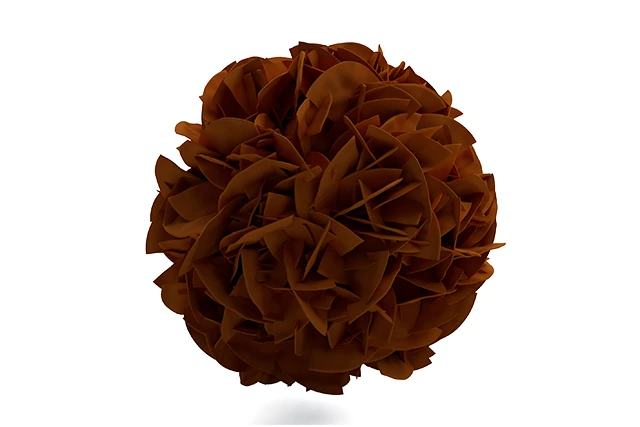
High-precision 3D model of a nanoflower, C4D source file, rendered with Redshift, perfectly showcasing the layered petal-like nanostructure, designed to support scientific visualization and academic publishing.
📌 Model Overview
Nanoflowers, as a type of nanomaterial with a three-dimensional hierarchical structure, demonstrate exceptional application potential in fields such as catalysis, sensing, energy storage and conversion, and biomedicine, thanks to their enormous specific surface area, abundant active sites, and unique electron transport pathways. In scientific papers, grant proposals, and academic presentations, clearly and three-dimensionally illustrating the intricate morphology of nanoflowers remains a major challenge in scientific illustration.
This model usesC4D (Cinema 4D) Construct the complex layered petal structure of a nanoflower, and useRedshift (RS) rendererThrough material and lighting rendering, the model accurately recreates the petal structure of the Nanoflower, which grows radially outward from the center, featuring delicate textures and rich layers. This model can be used directly forSCI paper illustrations、Cover Design、Conference Showcase及Animation Production...to make your research findings more visually striking.
✨ Key Highlights
🌸 Precise structure, natural form
Based on the typical self-assembly growth mechanism of nanoflowers, the model features a multilayer petal structure extending from the core to the outer edge. The curvature, thickness, and distribution of each petal are parameterized to ensure both scientific morphological similarity and visual aesthetic appeal.
✨ Professional rendering with outstanding lighting and shadows
With the help ofRedshift GPU-accelerated rendererWe’ve given the model a semi-transparent texture, delicate Fresnel edge lighting effects, and realistic ambient reflections, giving the nano-flower a light, three-dimensional, and sophisticated look. The lighting system has been pre-configured, so you can achieve professional-quality renderings simply by opening the file.
📂 The source files are completely open, and you are free to create derivative works.
We provide complete C4D project files, including all material nodes, lights, camera angles, and rendering settings. You can freely adjust the number of petals, their colors, and material parameters—and even create growth animations—to meet a wide range of presentation needs.
🚀 Ready to use right out of the box; suitable for a variety of scenarios
Whether it’s text-and-image abstracts for academic journals, dynamic presentations in academic reports, or product promotional videos, this model can quickly adapt to any scenario. It saves you weeks of modeling and debugging time, allowing you to focus your energy on your core research.
📋 Technical Specifications
| Project | Specifications |
|---|---|
| software format | C4D (.c4d) |
| renderer | Redshift (RS) |
| Resolution | 4K Ultra HD (can output higher resolutions) |
| Document Content | 3D Models + Complete Materials + Lighting + Cameras |
| Attached file | Rendered Preview Image (PNG) |
| Applicable software | Cinema 4D R20 and later versions |
| Applicable scenarios | Illustrations for academic papers, cover designs, PowerPoint presentations, animations, promotional materials |
🎯 Target Audience
- Materials Science and ChemistryResearchers and graduate students in the field
- Engage inNanocatalysis, Sensing, and Energy MaterialsThe research team
- Needs to be madeHigh-Quality Scientific Illustrationsacademics
- Scientific visualization designerand 3D modeling enthusiasts
- Creator of journal covers, illustrated abstracts, and grant application materials
🖼️ Preview display
This material is suitable for biochemistry scientific research, featuring high resolution. It was created using C4D (CINEMA 4D) software with the RS (RedShift) renderer. It is recommended to open this material with C4D, where you can freely adjust the model colors, display orientation, and other settings.
📥 How to Get It
Since digital products are considered special virtual items, refunds or exchanges are generally not permitted once they have been unlocked and downloaded. Please carefully review the type of product and terms of use before making a purchase.
Image assets only include PNG format
The source files include image assets, C4D format source files, and GLTF format files. The 3D source files need to be opened with C4D software, please confirm yours.Software version is greater than or equal to R20, too low of a Cinema 4D version might not be able to open it
You can achieve results consistent with this site by using the RedShift renderer. Other renderers can also be used, but due to differences in renderers and materials, the output will vary and you will need to adjust the materials and lighting according to your specific renderer.
Method 1
Creating artwork is no easy task,Stock ImagesPacked in the cloud drive, pay to unlock or upgrade to a junior or higher membership to download. Membership information can be found atIntroduction to the XC Membership System. Before paying, please make sure you understand the details of the above materials andDisclaimer of this site。
Files shared via cloud storage: Link to microsphere nanoflower image assets:
 Basic Member
 Intermediate member
 Premium member
Source file materialPay to unlock or upgrade to an intermediate or higher membership to download.
Usage tips: To ensure optimal results, please make sure your versions of C4D and Redshift are compatible (Redshift 3.0 or higher is recommended). This resource is intended solely for academic research and personal study; it may not be used for commercial purposes without authorization.
Method 2
ClickLinkGet materials.
💬 About this model
Due to the complex structure of the nano-flower, conventional polygon modeling struggles to balance detail and rendering efficiency. This model was developed through repeated refinement, combining procedural modeling with manual adjustments. This approach ensures natural transitions between petals while keeping the number of polygons under control, resulting in fast rendering and excellent results in Redshift.
We are committed to providing the scientific community with high-quality 3D models. If you have any questions about the models or need custom nanostructures (such as nanorods, nanosheets, core-shell structures, etc.), please feel free to contact us at any time. We will continue to release a series of nanomodels in the future, so stay tuned!
Making scientific visualization more efficient and visually appealing. 🌸✨