Global Research Hotspots Weekly Report: 261107-1113

20 Key Research Papers in the Global Scientific Research Field
This issue compiles 20 research papers that were first formally published online or formally entered the journal publication process between November 7th and November 13th, 2026, covering fields such as artificial intelligence, research tools, materials science, chemistry, and physics.BiomedicineAreas of interest include neuroscience, ecological environment, and earth and planetary science. Notable research includes generating research ideas using knowledge graphs and large language models.AIThis paper assists in biomedical literature retrieval, network heterogeneous metamaterials, atomic structure generative inversion, personalized mRNA tumor therapy, and the impacts of drug pollution and microplastics on ecosystems. It provides a brief overview of the research background, main work, core conclusions, and future research directions for each paper, and offers the DOI, original paper page, and information on legally accessible full-text access.
20 key articles in this issue
The following categories are based on research direction; the order within each group does not represent the actual number of reads.
Artificial intelligence, computer science and research tools
Generating interesting scientific ideas using knowledge graphs and LLMs: Evaluations with 100 research group leaders
Generating interesting scientific ideas using knowledge graphs and LLM: An evaluation of 100 research group leaders
AI-assisted scientific research
- author: Xuemei Gu, Mario Krenn
- Journal: Proceedings of the National Academy of Sciences (PNAS)
- Publication time: Published online on November 9, 2026; issue date: November 17.
- DOI: 10.1073/pnas.2611349123 IF: 9.5 Q1 B1
- original: PNAS paper page
- PDF: arXiv public preprint PDF
Research Background:
With the continuous growth in the number of scientific literature, researchers are finding it increasingly difficult to gain a comprehensive understanding of research progress in other disciplines. Large language models are now able to generate research ideas based on existing literature, but researchers still need to evaluate how many of these ideas truly have scientific value.
Research content:
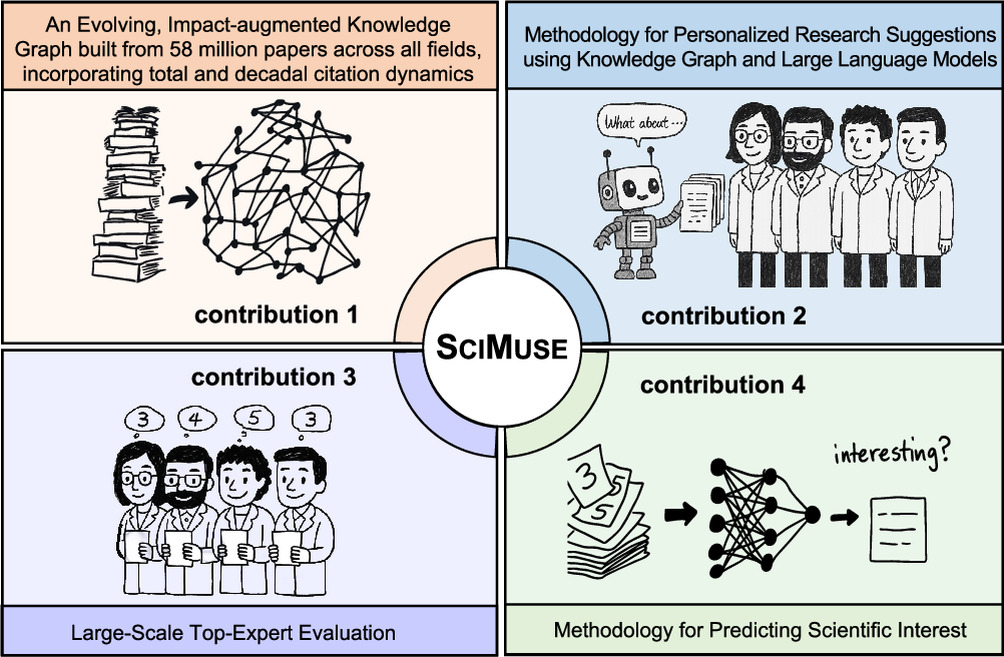
The research team developed a system called SCIMUSE, which combines a knowledge graph containing approximately 58 million papers with a large language model to generate personalized research ideas.
Researchers invited more than 100 group leaders from different fields to evaluate over 4,400 generated research ideas.
Main conclusions:
Experts gave the generated ideas an average score of 2.40 out of 5, with only 24.9% of the ideas receiving a score of 4 or 5.
More notably, using knowledge graphs to select concept combinations did not significantly improve the expert evaluation scores of ideas, nor did it show a clear advantage over the baseline method that only provided paper titles to GPT.
This shows that AI can generate a large number of research ideas, but the quantity generated is not the same as ideas that are truly scientifically valuable.
Future Outlook:
Future AI-generated research agents need to further understand the scientific questions, research gaps, and experimental feasibility within their research fields. For researchers, AI-generated ideas are suitable as a starting point for topic discussions, but they still need to be screened in conjunction with literature evidence and experimental conditions.
An AI-powered trisomy 21 Research Assistant
AI-driven research assistant for Down syndrome (Trisomy 21)
AI Research Tools: Biomedical Literature Retrieval
- author: Sutanu Nandi, Zenitha Sundararajan, Marc Subirana-Granés, Joaquin M. Espinosa, et al.
- Journal: Scientific Reports
- Publication time: November 10, 2026
- DOI: 10.1038/s41598-026-80099-8 IF: 4.9 Q1 B3
- original: Scientific Reports paper page
- PDF: https://pc.garrettchen.fun/XC%E7%A7%91%E7%A0%9420261114100137783.pdf
Research Background:
Down syndrome (Trisomy 21) involves multiple research areas, including cardiovascular, immunology, and neurodevelopment, resulting in a vast number of related papers. Researchers need to quickly find experimental evidence from a large amount of literature, but generalized large language models can easily confuse background descriptions with actual experimental results.
Research content:
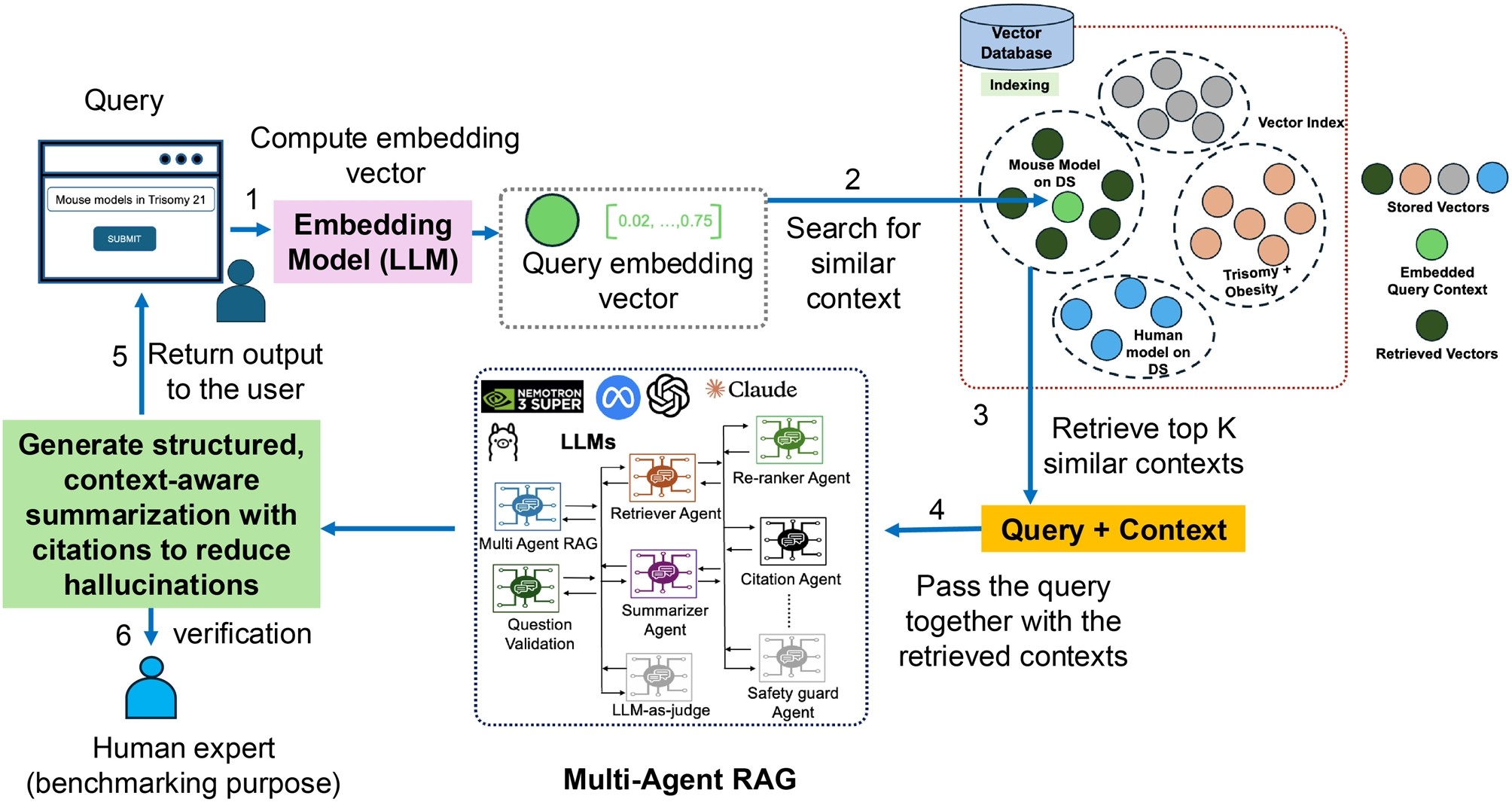
The authors developed the T21 Research Assistant, which employs a chapter-aware retrieval enhancement generation (RAG) architecture that places particular emphasis on the Results section of the paper.
The official journal version of the database contains 1,594 open-access original research papers on Down syndrome, 158 of which were funded by the NIH INCLUDE program. The system generates answers with the sources of the published papers through steps such as question verification, literature retrieval, reordering, content generation, and citation verification.
The research team also used 30 expert-designed questions to compare the system with other language models.
Main conclusions:
On most evaluation metrics, the system did not show statistically significant differences from leading proprietary and open-source models, but it outperformed the baseline using a generative model alone in terms of recall.
Its value lies primarily in enabling the generated content to be traced back to specific research papers and chapters, rather than simply having the model generate a seemingly reasonable medical explanation.
Future Outlook:
This RAG method, which organizes evidence by paper chapters, can be extended to other disease research, drug development, and professional knowledge bases. Further updates to the literature database are needed, along with assessments of citation accuracy and verification of system reliability through independent expert testing.
Explainable multi-modal transformer framework for electric vehicle charging demand forecasting
An Explainable Multimodal Transformation Framework for Electric Vehicle Charging Demand Forecasting
Artificial Intelligence, Smart Grid, Energy Engineering
- author: Md Mushfiq Us Salehin
- Journal: Scientific Reports
- Publication time: November 13, 2026
- DOI: 10.1038/s41598-026-78819-1 IF: 4.9 Q1 B3
- original: Scientific Reports paper page
- PDF: https://pc.garrettchen.fun/XC%E7%A7%91%E7%A0%9420261114100637727.pdf
Research Background:
Electric vehicle charging demand exhibits significant temporal variations. Inaccurate charging load forecasting can increase the difficulty of grid dispatching, charging station management, and real-time electricity price control.
Traditional forecasting methods typically rely primarily on historical charging data, but weather, prices, and grid operating conditions can also influence charging demand.
Research content:
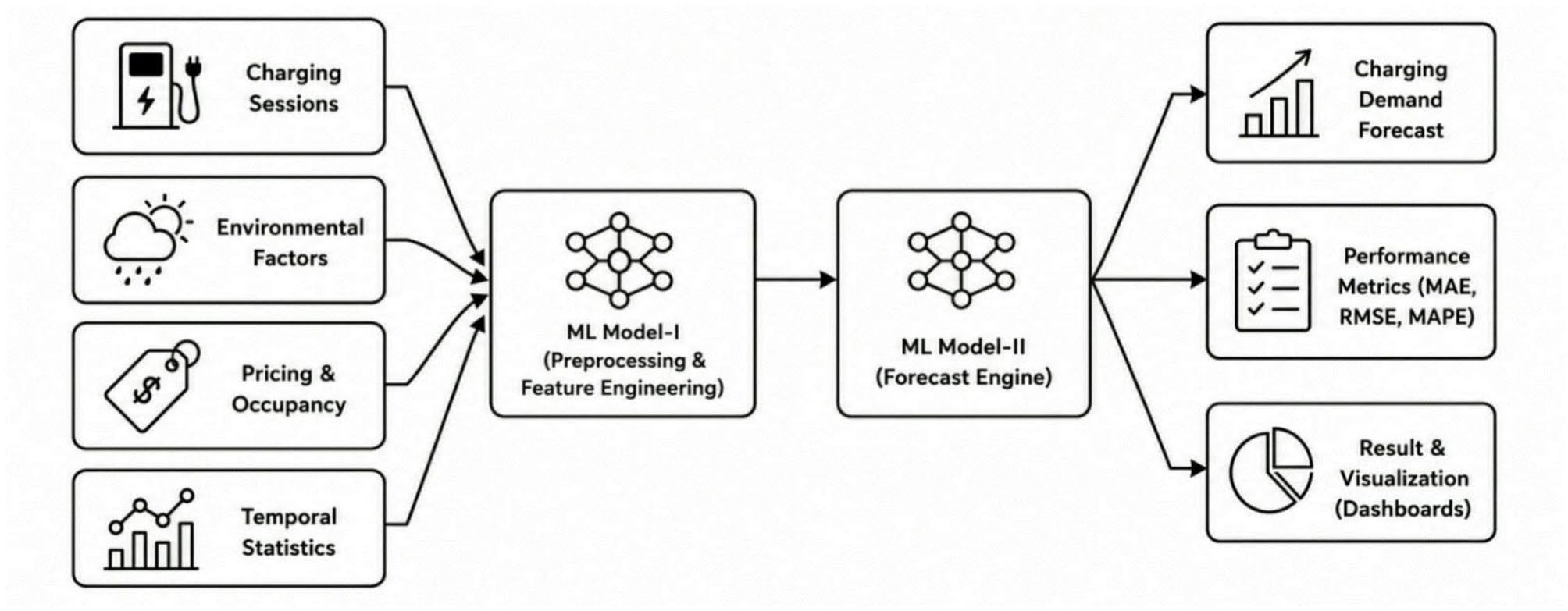
The authors constructed a multimodal prediction framework that integrates information such as charging records, weather information, grid prices, voltage, frequency, transformer load, and site occupancy.
The study used 15,304 charging records from 55 charging stations between 2019 and 2020 to compare models such as linear regression, Random Forest, XGBoost, LSTM, and Transformer.
Main conclusions:
With the current data scale, XGBoost and Random Forest outperform Transformer and LSTM in overall prediction performance.
XGBoost achieved a lower RMSE, while Random Forest showed a slight advantage in some error metrics. The advantage of Transformer lies mainly in its ability to interpret input temporal information, rather than its prediction accuracy under the current experimental conditions.
Future Outlook:
This study suggests that complex models do not necessarily perform better with limited data. Future research should include validation with data spanning multiple years and locations, focusing on whether the model can be generalized to new charging stations that were not used in the initial training.
Materials Science, Chemistry and Physics
Scale-rich network-based metamaterials
Scale-rich network metamaterials
Mechanical metamaterials
- author: Csaba Both, Andrew Yen-Jong Chen, Ting-Ting Gao, Niek Mooij, et al.
- Journal: Nature
- Publication time: November 11, 2026
- DOI: 10.1038/s41586-026-11191-2 IF: 56.1 Q1 B1
- original: Nature paper page
- PDF:https://pc.garrettchen.fun/XC%E7%A7%91%E7%A0%9420261114101039568.pdf
Research Background:
Traditional mechanical metamaterials are typically composed of unit structures with relatively fixed geometric dimensions. Although material properties can be adjusted by changing the pore size, unit shape, and connection methods, length, thickness, and connectivity are often still limited by a single or a few dimensions.
Research content:
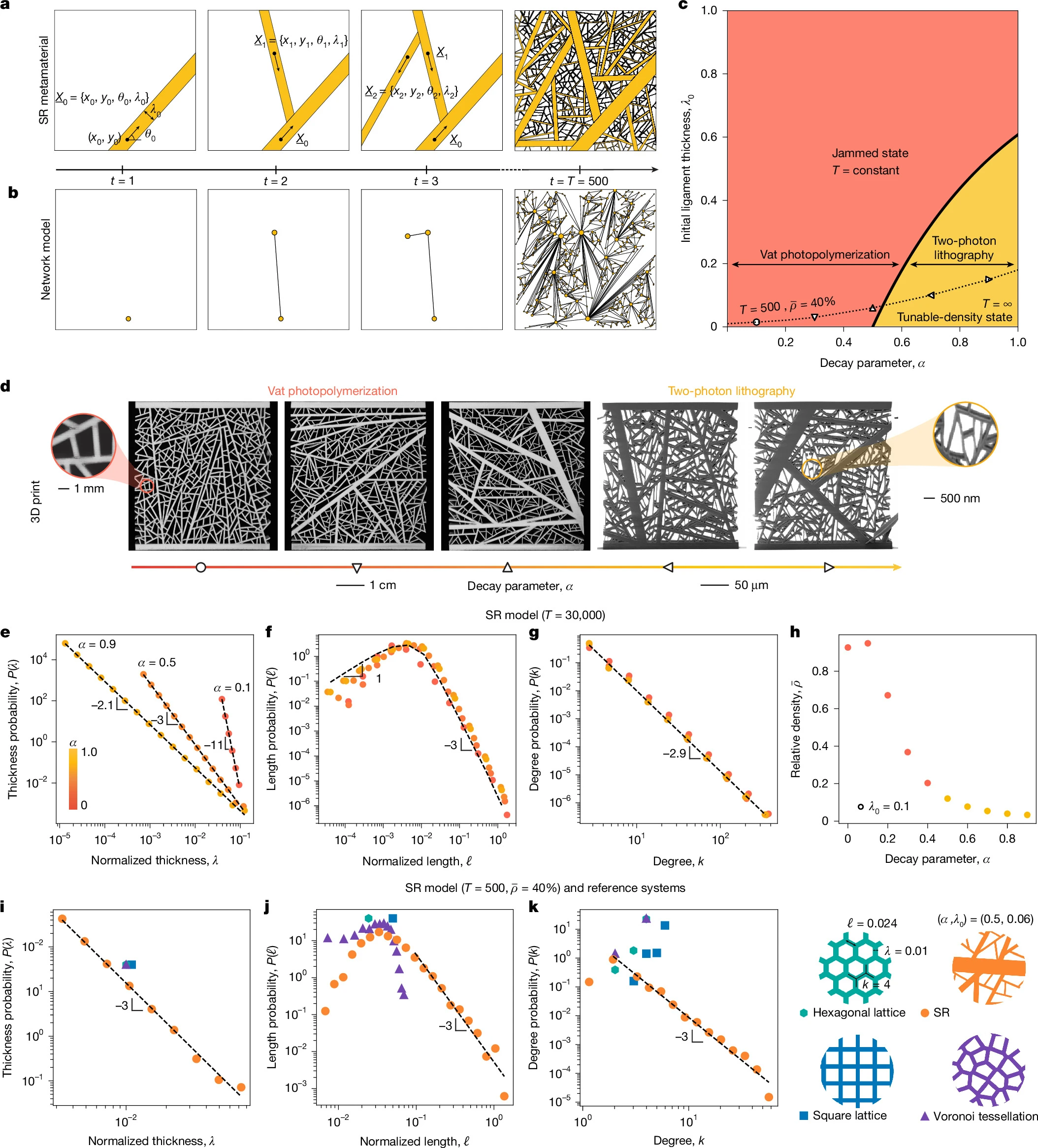
The research team proposed a design framework for scale-rich network-based metamaterials, which introduces heterogeneity from network science into mechanical metamaterials.
In this structure, the length, thickness, and connectivity of the members can span multiple scales. Researchers investigated the influence of different network parameters on the mechanical behavior of the materials through computational simulations, finite element analysis, and 3D printing experiments.
Main conclusions:
The study demonstrates the various mechanical properties that multi-scale network structures can offer, including:
- Adjustable elastic anisotropy;
- Nonlocal deformation under large deformation conditions;
- High energy absorption capacity;
- Energy dissipation under dynamic loads;
- Programmable elastic wave response.
The paper reports that the elastic anisotropy of the material can be adjusted by approximately 190 times.
Future Outlook:
This design approach offers a new structural design concept for the multifunctionalization of mechanical metamaterials. Future research should focus on manufacturing errors, structural fatigue, scale effects, and long-term stability under complex loads.
Efficient catalyst-controlled C–H arylation of areas
Highly efficient catalysts control the CH arylation reaction of aromatic hydrocarbons
Organic Chemistry, Catalysis, Synthetic Methodology
- author: Minhao Zhang, Elisa González-Fernández, Jyoti Dhankhar et al.
- Journal: Nature
- Publication time: November 11, 2026
- DOI: 10.1038/s41586-026-11391-w IF: 56.1 Q1 B1
- original: Nature paper page
- PDF: No verifiable, legally available, publicly available full-text PDF was found; [Provided]Supplementary Information PDFSupplementary materials cannot replace the full text of the paper.
Research Background:
Direct arylation of C–H bonds in aromatic hydrocarbons can reduce the dependence of traditional coupling reactions on pre-functionalized substrates and has the potential to simplify organic synthetic routes.
However, since there are multiple similar C–H bonds in aromatics, how to simultaneously improve reaction efficiency and control reaction sites remains a significant challenge for direct C–H functionalization.
Research content:
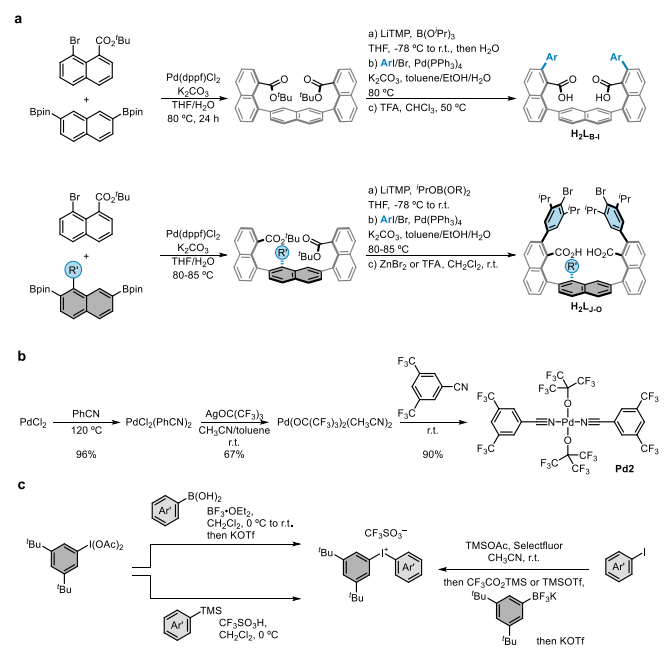
The research team constructed a local reaction microenvironment around the palladium dicarboxylate catalytic center and combined it with a novel Pd(II) precatalyst and a customized diaryliodonium reagent to achieve the direct arylation of aromatics.
The study covered both electron-rich and electron-deficient aromatics, and also conducted sequential arylation experiments on benzene, which has low reactivity.
Main conclusions:
This catalytic system can preferentially arylate at C–H sites with less steric hindrance and easier access, and achieve good site selectivity under relatively mild reaction conditions.
Its application value lies in reducing the dependence on prefunctionalized substrates, while allowing the introduction of some functional groups that are more sensitive under traditional coupling conditions.
Future Outlook:
The catalytic synthesis methodology research officially published in Nature this week has high application value in chemical synthesis; what deserves attention in the future is its wider substrate applicability, catalyst cost, reaction scale-up, and practical performance in the later modification of complex drug molecules.
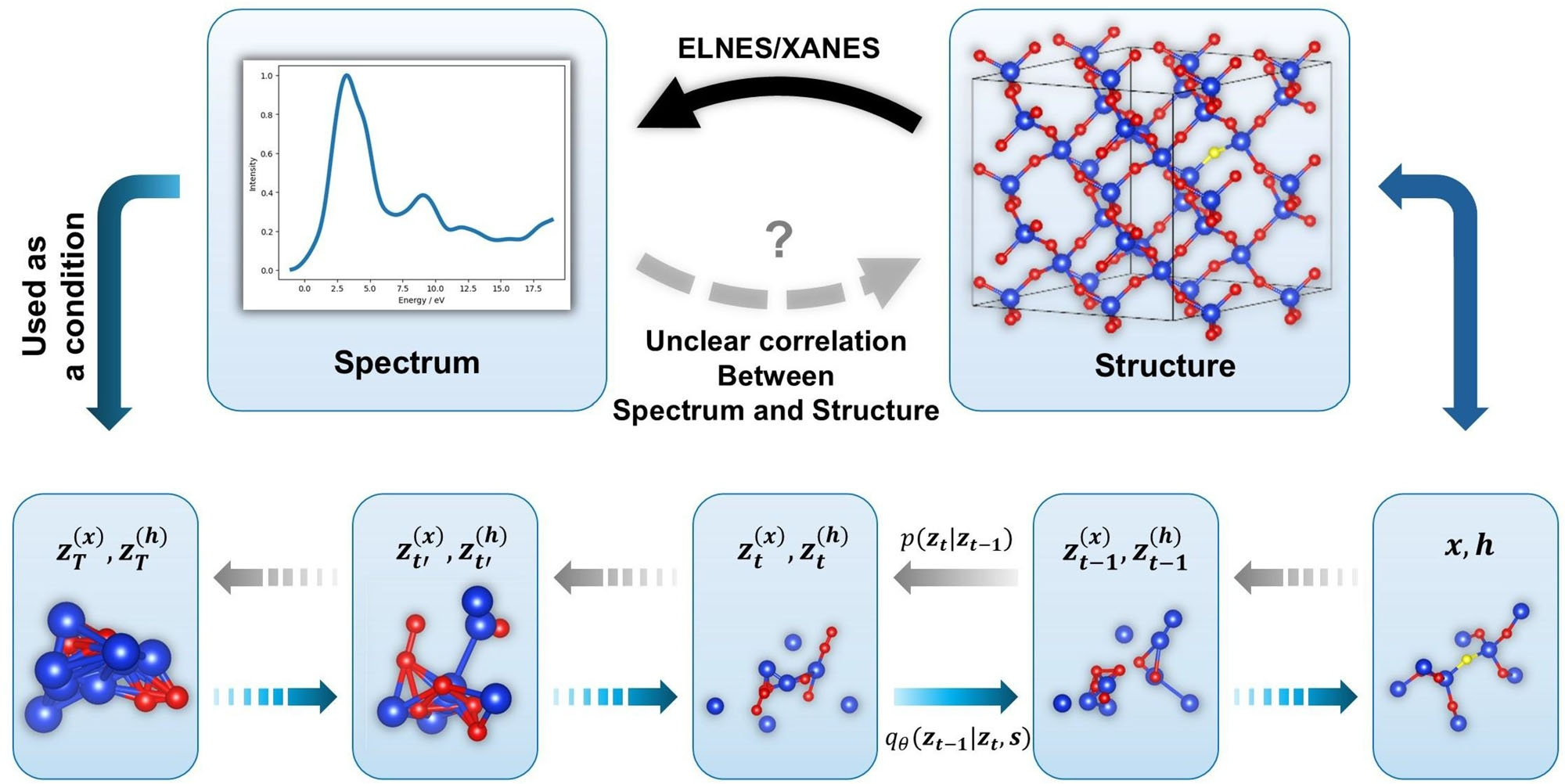
Generative inverse estimation of 3D atomic coordination from near-edge spectra via equivariant diffusion models
Inverse estimation of three-dimensional atomic coordination generative near-edge spectroscopy based on an isovariant diffusion model
Artificial Intelligence, Materials Characterization, Computational Materials Science
- author: Ren Okubo, Yu Fujikata, Izumi Takahara, Teruyasu Mizoguchi
- Journal: npj Computational Materials
- Publication time: November 12, 2026
- DOI: 10.1038/s41524-026-02384-4 IF: 13.1 Q1 B1
- original: npj Computational Materials paper page
- PDF:https://pc.garrettchen.fun/XC%E7%A7%91%E7%A0%9420261114103039561.pdf
Research Background:
In materials characterization, near-edge absorption spectra (such as XANES and ELNES) can provide information about the local atomic environment. Traditional analytical methods are usually more likely to obtain radial distance distributions, while the complete three-dimensional atomic coordination structure and bond angle information are more difficult to recover directly.
Research content:
The authors developed an isovariant diffusion model that directly generates local three-dimensional atomic structure distributions from near-edge spectra.
The model was first trained using Si–O crystal data, and then applied to experimental OK-edge spectral data of structures such as α-quartz, cristobalite, and stishovite.
Main conclusions:
The paper reports an average absolute error of approximately 0.04 Å for radial distance and a coordination number error of less than 2%, demonstrating good structural reconstruction capability under the corresponding experimental conditions.
Compared to methods that only analyze one-dimensional radial distributions, this model is able to further recover three-dimensional geometry, including bond angle information.
Future Outlook:
This research provides a new machine learning tool for inverting local atomic structures from spectroscopic data. Future work requires expanding the range of elements and chemical systems, and validating the model's reliability under amorphous materials, defect structures, and complex experimental noise.
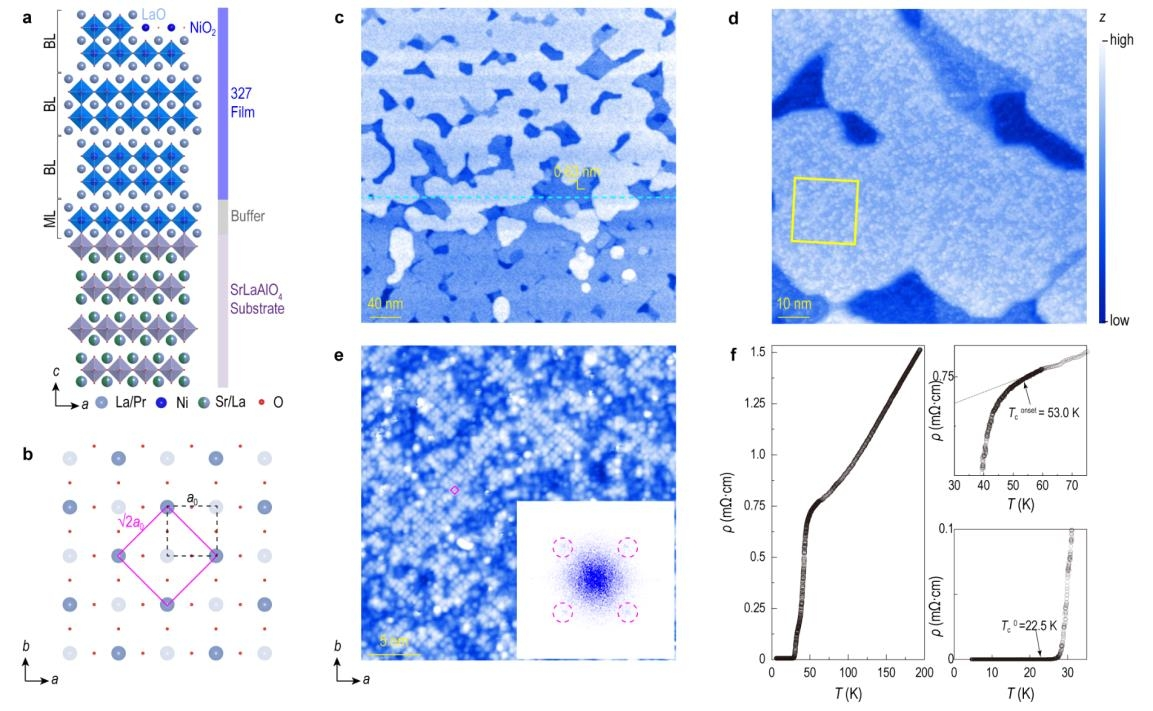
Atomically resolved superconducting gap in (La,Pr)₃Ni₂O₇ films
Atom-resolved superconducting gap in (La,Pr)₃Ni₂O₇ thin films
Condensed Matter Physics, High-Temperature Superconductivity, Scanning Tunneling Microscopy
- author: Xinxin Wang, Yaqi Chen, Cui Ding, Lizhi Xu, etc.
- Journal: Physical Review X
- Publication time: November 10, 2026 (APS accepted paper)
- DOI: 10.1103/rkn7-f5rs IF: 16.8 Q1 B1
- original: Physical Review X Paper Page
- PDF:https://pc.garrettchen.fun/XC%E7%A7%91%E7%A0%9420261114103806966.pdf
Research Background:
Bilayer nickelate materials have become an important system in high-temperature superconductivity research in recent years, but their superconducting bandgap structure remains controversial. Accurate measurement of local bandgap characteristics is crucial for understanding the superconducting pairing mechanism.
Research content:
The research team used atomic resolution scanning tunneling microscopy and scanning tunneling spectroscopy to study a 1.5-layer unit thickness (La,Pr)₃Ni₂O₇ thin film grown on a SrLaAlO₄ substrate.
The study specifically compared the effects of low-temperature ultra-high vacuum rapid transfer and room-temperature vacuum transfer on surface structure and energy spectrum.
Main conclusions:
Under low-temperature rapid transfer conditions, the sample exhibits a U-shaped spectrum with two band gap scales of approximately 14 meV and 20 meV.
In contrast, the sample transferred at room temperature exhibited a V-shaped spectrum. Researchers believe that oxygen loss may introduce spectroscopic weights related to charge density waves.
Future Outlook:
Further verification of these results is needed under different oxygen contents, film thicknesses, strain conditions, and sample batches, and their relationship with superconducting pairing symmetry needs to be studied.
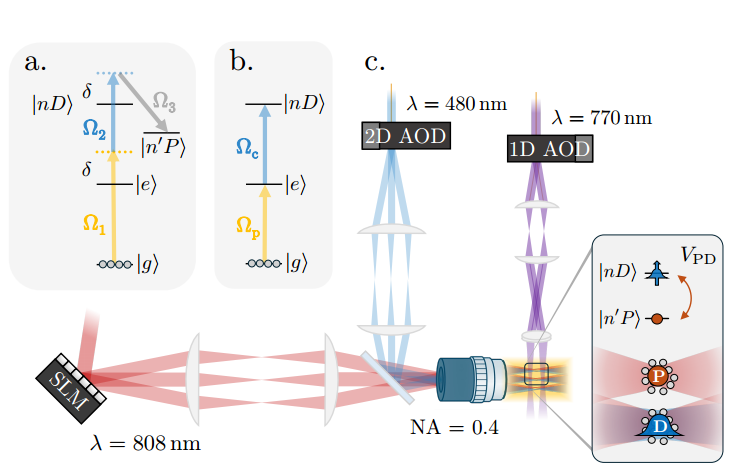
Controlling Rydberg atom-polariton interactions: from exceptional points to fast readout
Controlling Rydberg Atom-Poloton Interactions: From Exceptions to Fast Readouts
Quantum Optics, Quantum Information, Atomic Physics
- author: Tamara Šumarac, Emily H. Qiu, Shai Tsesses, Peiran Niu, et al.
- Journal: Physical Review X
- Publication time: November 9, 2026 (APS accepted paper)
- DOI: 10.1103/bm5h-5jpx IF: 16.8 Q1 B1
- original: Physical Review X Paper Page
- PDF: arXiv public preprint PDF
Research Background:
Rydberg atoms have strong interaction capabilities and are an important research platform for quantum computing, quantum simulation and nonlinear optics.
When photons couple with collective excitations of atoms to form Rydberg polaritons, optical nonlinearity at the single-photon scale can be achieved. However, how to control their interaction with individual Rydberg atoms still requires further investigation.
Research content:
The research team experimentally studied the interaction between Rydberg polaritons in an atom ensemble and adjacent individual Rydberg atoms.
The experiment identified three dynamic states: polariton blocking, coherent exchange, and probabilistic hopping, and investigated the exceptions between blocking and coherent exchange.
Main conclusions:
The study demonstrates the possibility of using these interactions to achieve rapid, non-destructive detection of Rydberg atoms.
The paper also reports that the readout fidelity of a single measurement is approximately 47%, which can be improved to approximately 79% through repeated measurements.
Future Outlook:
This paper has experimental verification and potential application value in quantum information. In the future, it is necessary to improve readout fidelity, reduce the cost of repeated measurements, and further study its scalability in multi-atom quantum networks.
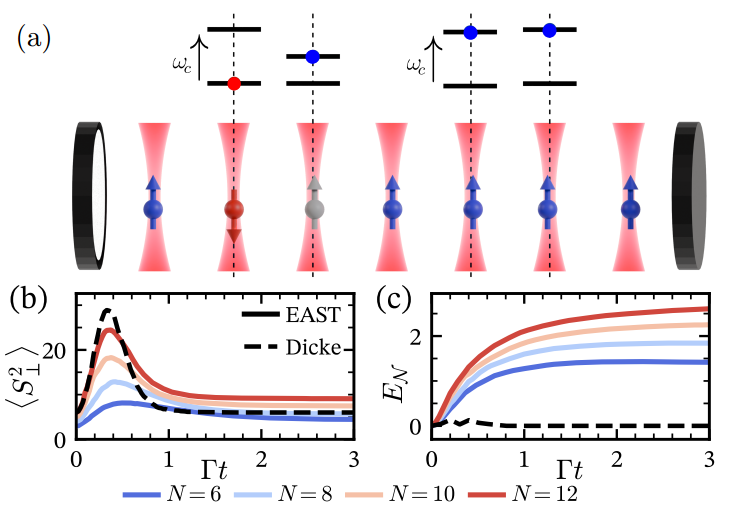
Extensive mixed-state entanglement in kinetically constrained superradiance
Extensive Mixed-State Entanglement in Dynamically Constrained Superradiography
quantum physics • Superradiation • Quantum entanglement
- author: Lucas Winter, Jan Kumlin, Thomas Pohl, Andreas Nunnenkamp
- Journal: Physical Review Letters
- Publication time: November 9, 2026 (APS accepted paper)
- DOI: 10.1103/h8zh-qlw5 IF: 9.4 Q1 B1
- original: Physical Review Letters paper page
- PDF: arXiv public preprint PDF
Research Background:
Dicke superradiography describes the process by which multiple quantum emitters coordinately emit photons. Traditionally, collective emission does not necessarily mean that the system will form a mixed entangled state with long-range correlation.
Research content:
The research team incorporated local dynamic constraints into the superradiation model to investigate their impact on the system's decay process, Hilbert space structure, and entanglement.
Through analytical derivation and theoretical analysis, the authors studied the dark state structure and entanglement generation conditions in the collective emission process.
Main conclusions:
Local dynamic constraints can generate extensive mixed-state entanglement during superradiation while preserving the main collective emission characteristics.
This mechanism could also be used to prepare dark states with long-range entanglement via a dissipative process.
Future Outlook:
Further research needs to verify the relevant theories on experimental platforms such as neutral atom arrays and optical cavities, and to study the impact of actual noise and atom loss on entanglement generation efficiency.
Medicine, Biomedical and Life Sciences
Prevention of Venous Thromboembolism after Total Hip or Knee Replacement
Prevention of venous thromboembolism after total hip and total knee arthroplasty
Clinical research
- author: Vincent D. Pellegrini, Carol A. Lambourne, Laurence S. Magder, Patricia D. Franklin, et al.
- Journal: New England Journal of Medicine
- Publication time: November 12, 2026
- DOI: 10.1056/NEJMoa2602435 IF: 84.5 Q1 B1
- original: NEJM paper page
- PDF: https://pc.garrettchen.fun/XC%E7%A7%91%E7%A0%9420261114111633016.pdf
Research Background:
Following hip and knee replacement surgery, patients are at risk of developing venous thromboembolism (VTE). Aspirin, warfarin, or rivaroxaban are commonly used for prevention in clinical practice, but the efficacy and safety of different regimens remain controversial.
Research content:
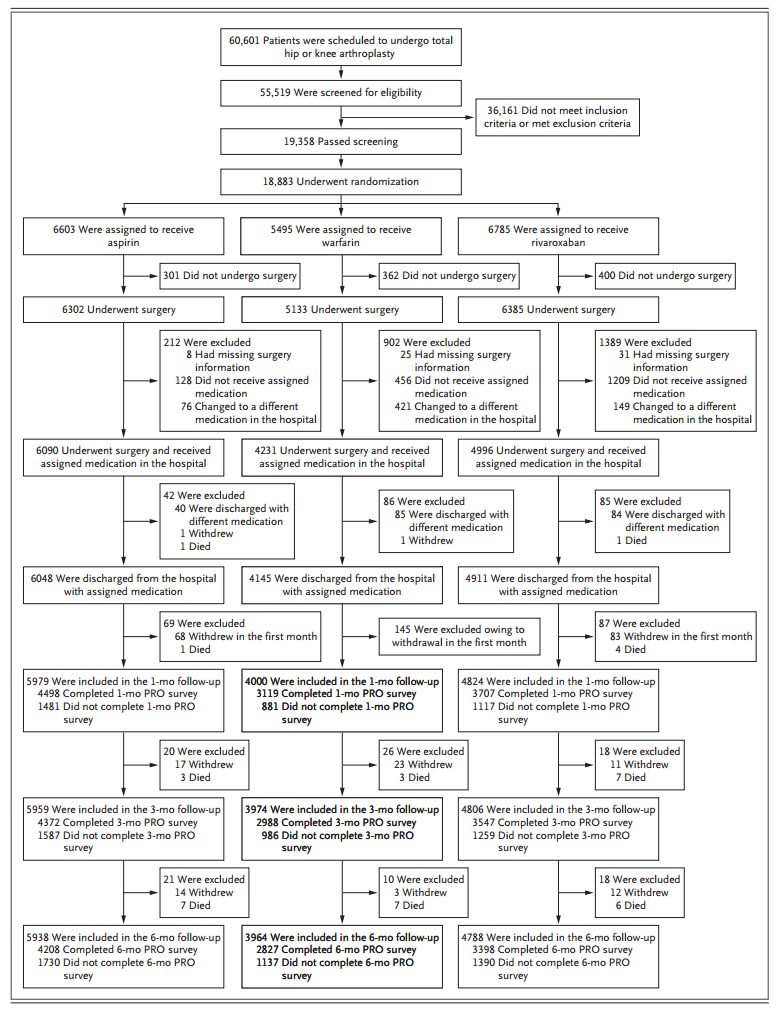
The PEPPER clinical trial enrolled 18,883 patients undergoing elective hip or knee replacement surgery and compared three prevention options:
- aspirin;
- Warfarin;
- Livarsaban.
The study involved 30 days of medication and a 6-month follow-up of patients. The primary analysis included 15,317 patients.
Main conclusions:
The study found that aspirin failed to demonstrate non-inferiority to rivaroxaban or warfarin in preventing death or symptomatic VTE.
On the other hand, warfarin and rivaroxaban also failed to demonstrate non-inferiority to aspirin in key safety metrics.
Therefore, studies cannot be simply interpreted as one drug being superior to other regimens in all patients. The efficacy of thrombosis prevention must be considered in conjunction with safety risks such as bleeding and wound problems.
Future Outlook:
Future research should focus on individual risk stratification for different patients, and develop more reasonable prevention strategies by combining their history of thrombosis, bleeding risk, and type of surgery.
Intismeran Autogene plus Pembrolizumab for Resected Stage IIB to IV Melanoma
Autologous endometrial transplantation combined with pembrolizumab for the treatment of stage IIB to IV melanoma
Tumor immunotherapy
- author: Georgina V. Long, Muhammad A. Khattak, Helen J. Gogas et al.
- Journal: New England Journal of Medicine
- Publication time: November 11, 2026
- DOI: 10.1056/NEJMoa2609762 IF: 84.5 Q1 B1
- original: NEJM paper page
- PDF: No legally available full-text PDF was found.
Research Background:
Some high-risk melanoma patients still face the risk of recurrence and distant metastasis after surgical resection. Pembrolizumab has been used as adjuvant therapy in some patients, but researchers are still exploring whether personalized tumor vaccines can further enhance the anti-tumor immune response.
Research content:
This was a phase III, double-blind clinical trial that enrolled 1,137 patients with stage IIB to IV cutaneous melanoma who had undergone tumor resection.
The study compared two sets of schemes:
- Intismeran autogene in combination with pembrolizumab;
- Placebo combined with pembrolizumab.
Intismeran is a personalized mRNA therapy designed to target a patient's tumor-specific neoantigen.
Main conclusions:
With a median follow-up time of 24.6 months, the 24-month recurrence-free survival (RFS) was as follows:
- Combined treatment group: 82.2%;
- Control group: 70.0%.
The 24-month distant metastasis-free survival (DMFS) rates were 88.5% and 80.2%, respectively.
However, it should be noted that overall survival (OS) data are not yet mature, and the two groups did not immediately show a clear separation in the early stages of treatment.
Future Outlook:
Longer follow-up is needed in the future to confirm whether the treatment effect can translate into overall survival benefit, and to further investigate which patients are most suitable for personalized mRNA therapy.
Information formatting in neuronal populations predicts differential functional contributions to behavior
Different functional contributions of information formatting prediction in neuronal populations to behavior
Neuroscience, Brain Function, Neural Networks
- author: Douglas A. Ruff, Sol K. Markman, Jason Z. Kim, Marlene R. Cohen
- Journal: Nature Neuroscience
- Publication time: November 10, 2026
- DOI: 10.1038/s41593-026-02514-7 IF: 20.3 Q1 B1
- original: Nature Neuroscience paper page
- PDF: https://pc.garrettchen.fun/XC%E7%A7%91%E7%A0%9420261114110520263.pdf
Research Background:
Different regions of the brain may simultaneously encode visual, reward, and motor information, but why these brain regions still have different functional divisions has been a long-standing question in neuroscience.
Research content:
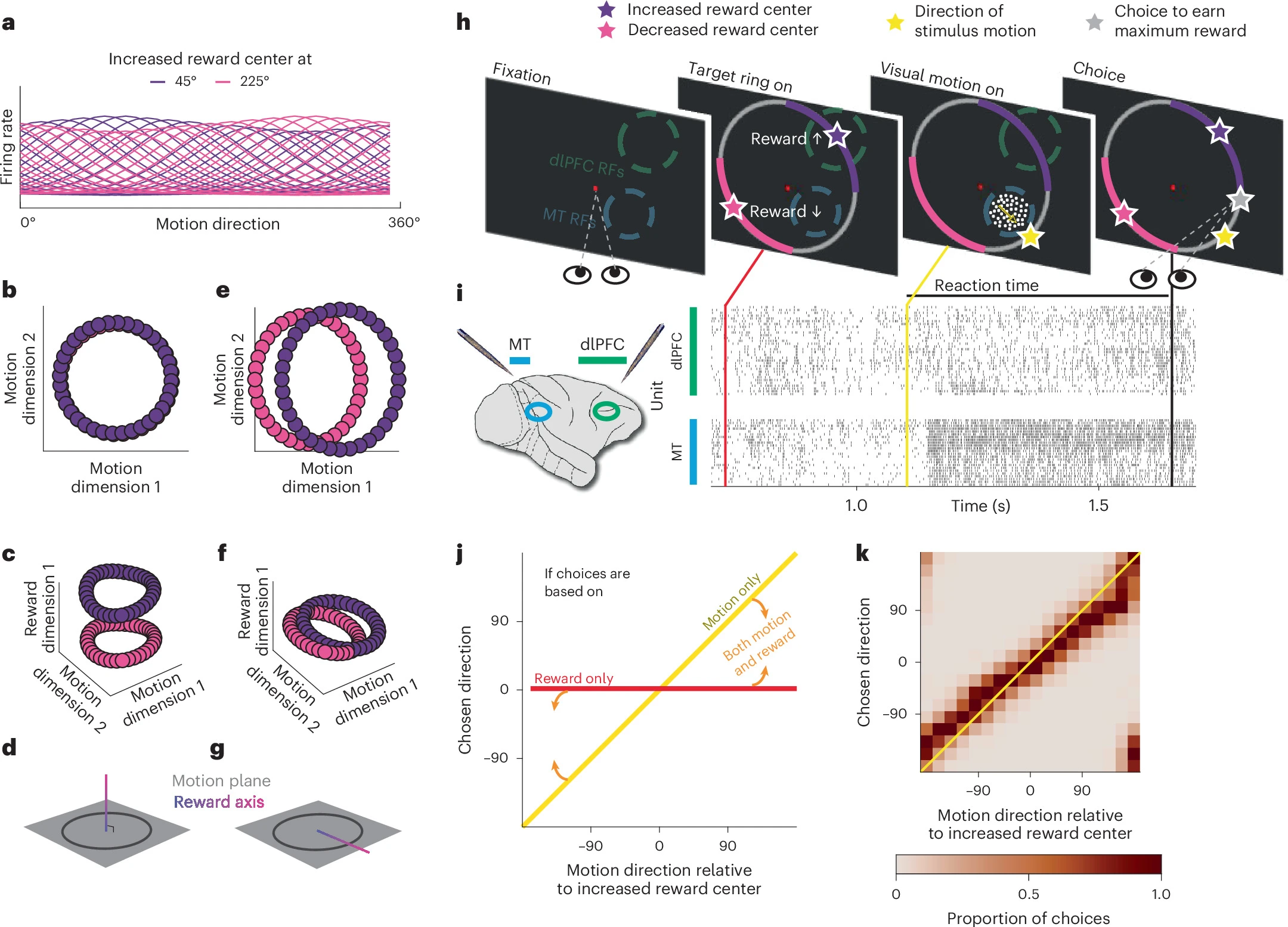
The research team conducted experiments on two monkeys, comparing the MT brain region responsible for visual-motor processing with the dorsolateral prefrontal cortex (dlPFC) involved in decision-making and reward processing.
Experiments have shown that both regions can encode motion direction and reward information, but the information is organized differently in the neuronal population.
Researchers also used electrical stimulation to verify whether different encoding methods would affect animal behavior.
Main conclusions:
The MT brain region tends to represent motor information and reward information separately; while the dlPFC tends to combine the two types of information into a decision-related representation.
Stimulating the MT will cause a shift in choices, while stimulating the dlPFC is more likely to produce a “winner-takes-all” choice outcome.
This shows that simply knowing what information a certain brain region can encode is not enough to determine what function it plays in behavior; it is also necessary to understand how information is organized.
Future Outlook:
In the future, this analytical framework can be extended to more brain regions, behavioral tasks, and species, and the relationship between neural information organization and cognitive impairment can be studied.
Research limitations: The experiment was mainly based on two monkeys, and the neural network model was a simplified model and cannot be directly regarded as a complete explanation of the real neural mechanism.
The FMR1 isoform landscape reveals new spliced variants in women's blood and ovarian tissues
The FMR1 subtype landscape reveals novel splicing variants in female blood and ovarian tissue.
Molecular Biology, RNA Splicing, and Female Reproduction Research
- author: Marina Luz Ingravidi, Cecilia S. Fernández, Eloisa Caviglia, Liliana Dain, Laura Kamenetzky and others
- Journal: Scientific Reports
- Publication time: November 10, 2026
- DOI: 10.1038/s41598-026-78955-8 IF: 4.9 Q1 B3
- original: Scientific Reports paper page
- PDF: https://pc.garrettchen.fun/XC%E7%A7%91%E7%A0%9420261114112321699.pdf
Research Background:
The FMR1 gene encodes FMRP, an important RNA-binding protein involved in posttranscriptional regulation and nervous system function. FMR1 also exhibits complex alternative splicing, but the complete transcriptomic lineage in female ovarian granulosa cells has not been fully described.
Research content:
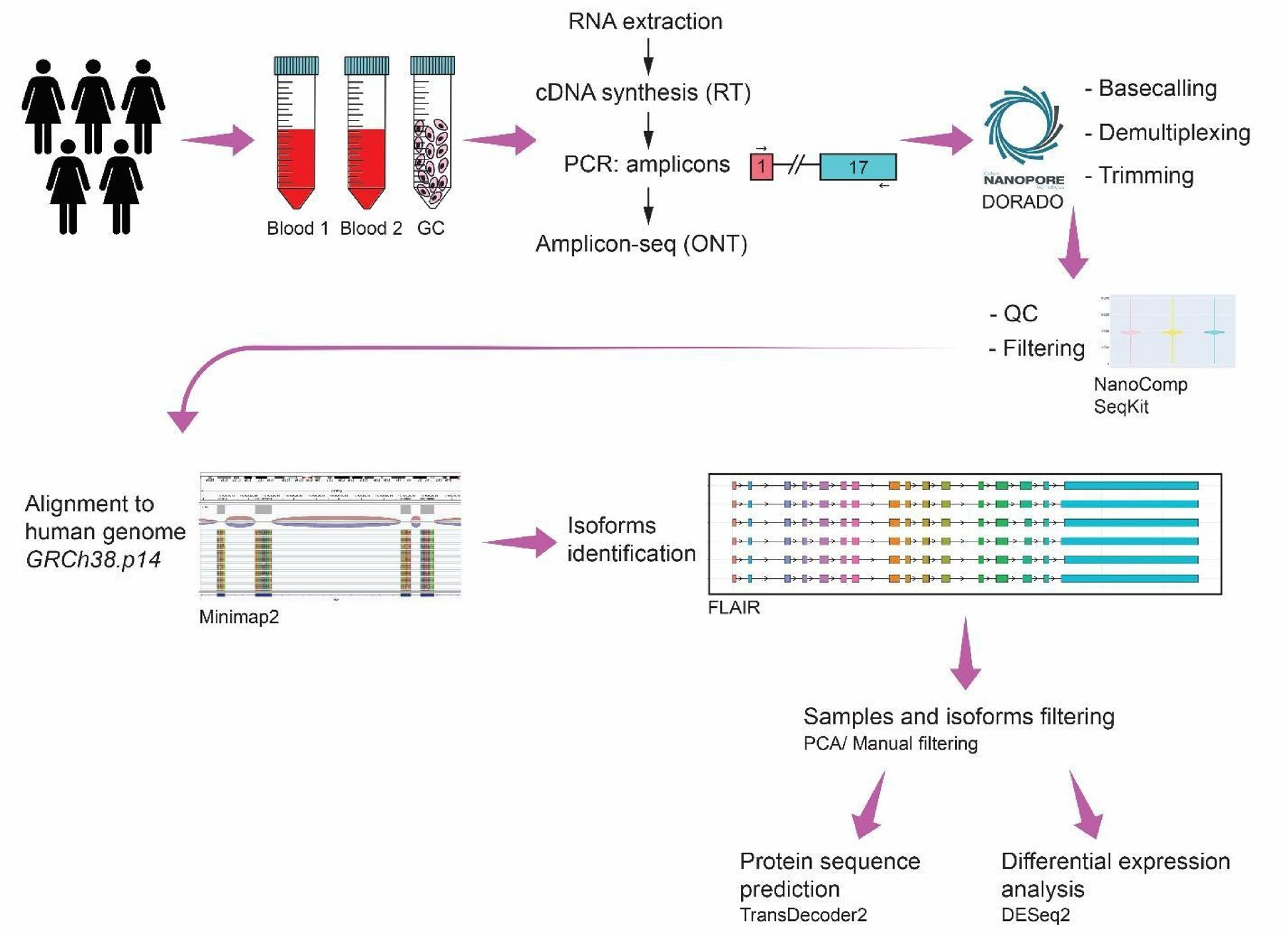
The research team used Oxford Nanopore long-read sequencing technology to analyze the full-length FMR1 transcript in female blood and ovarian granulosa cells.
The study identified 30 high-confidence isoforms, accounting for approximately 95% of the FMR1 expression captured during sequencing.
Main conclusions:
The study uncovered several previously underdescribed splicing patterns, including exon-specific skipping, differences in splice site usage, and partial intron retention.
Furthermore, the expression profiles of FMR1 in blood and ovarian granulosa cells are highly similar, suggesting that blood may be a relatively readily available alternative sample for studying FMR1 isoforms.
Future Outlook:
Further investigation is needed to verify whether these new isoforms alter protein expression, ovarian cell function, or female reproductive-related phenotypes. Whether blood can stably replace ovarian tissue also requires validation with more samples.
Epistasis detection and fitness valleys in SARS-CoV-2 evolution
Epistasis detection and fitness trough in the evolution of SARS-CoV-2
Viral Evolution, Computational Biology, Population Genetics
- author: IV Likhachev, IM Rouzine
- Journal: Scientific Reports
- Publication time: November 12, 2026
- DOI: 10.1038/s41598-026-79846-8 IF: 4.9 Q1 B3
- original: Scientific Reports paper page
- PDF: https://pc.garrettchen.fun/XC%E7%A7%91%E7%A0%9420261114112548353.pdf
Research Background:
During viral evolution, epistasis may exist between different mutations, meaning that the adaptive effect of a certain mutation can be altered by changes in the background of other mutations.
The interaction between these mutations can affect the viral adaptive landscape and may also influence the design of vaccines and antiviral drugs.
Research content:
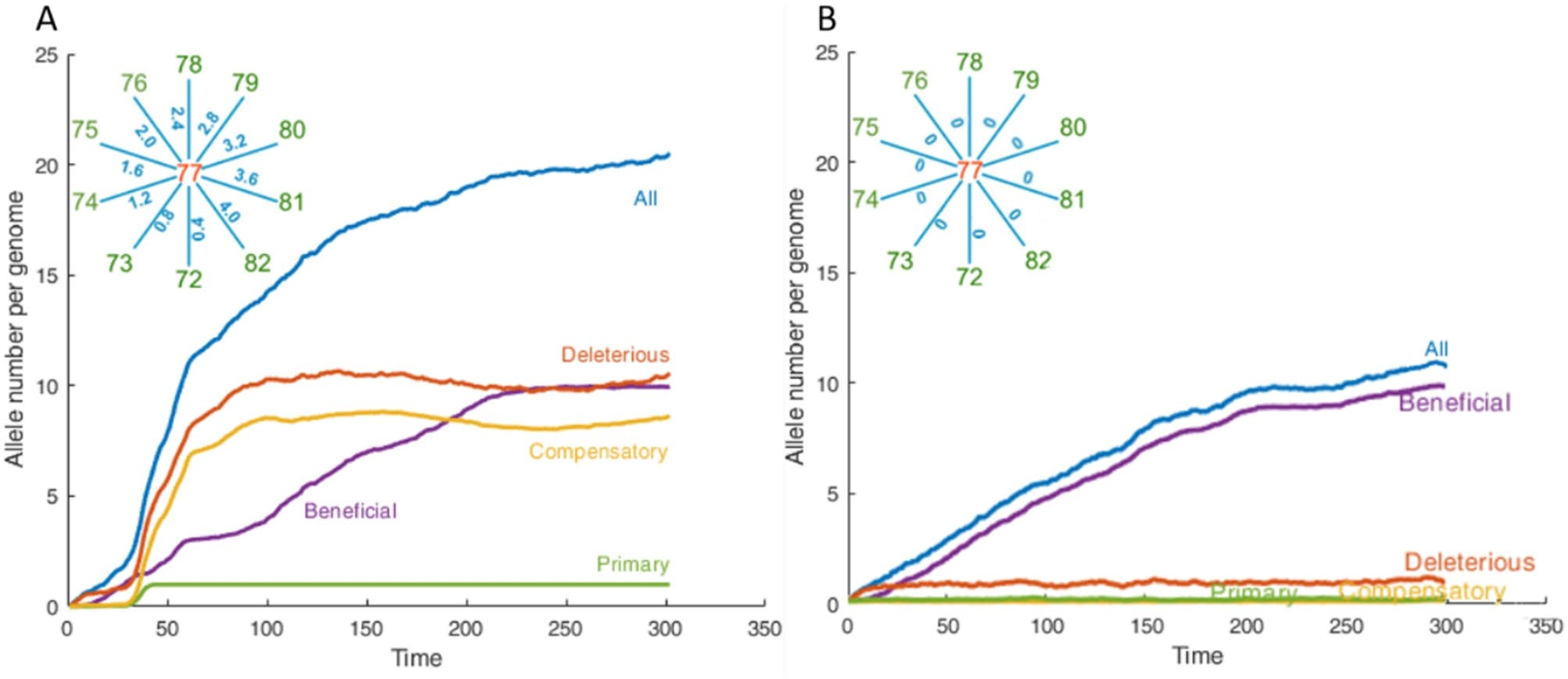
The research team first analyzed how to identify interactions between mutations from population sequences using simulated sequences with known epistatic relationships.
Subsequently, the research methodology was applied to thousands of SARS-CoV-2 sequences to analyze the potential fitness relationships between different viral variants.
Main conclusions:
The study found that the number of independent groups, sequence length, and recombination all affect the accuracy of epistatic identification.
The analysis of SARS-CoV-2 data is consistent with the hypothesis that there is a fitness trough between different variant populations, but this does not mean that the model can accurately predict future viral mutations.
Future Outlook:
Further research needs to integrate viral sequences from more independent regions and further control for the effects of sampling bias, recombination, and population structure on the inference results.
Comprehensive comparative genomics of camelids identifies positive selection, structural variants, and gene losses driving desert adaptation
Comprehensive comparative genomics of camels has identified positive selection, structural variation, and gene loss driving desert adaptation.
Comparative Genomics, Evolutionary Biology, Animal Adaptation
- author: Hailati Kasimu, Bing Han, Muhammad Ali Mohsin, Hafiz Ishfaq Ahmad, etc.
- Journal: Scientific Reports
- Publication time: November 12, 2026
- DOI: 10.1038/s41598-026-78317-4 IF: 4.9 Q1 B3
- original: Scientific Reports paper page
- PDF:https://pc.garrettchen.fun/XC%E7%A7%91%E7%A0%9420261114112651462.pdf
Research Background:
Camels can survive in environments with high temperatures, water scarcity, and limited food resources, but many questions remain about the genomic basis of their adaptation to extreme environments.
Research content:
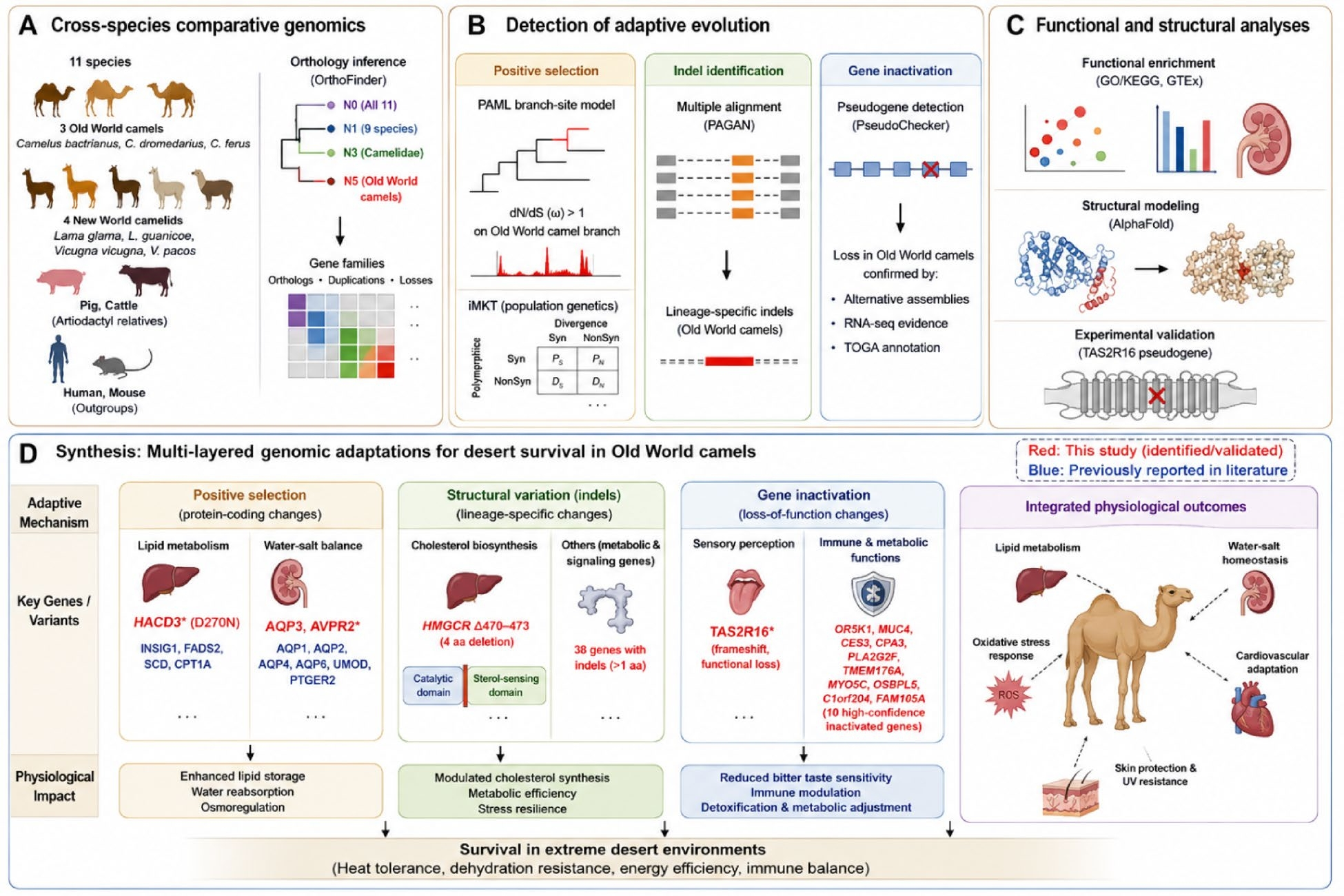
The authors compared the genomes of 11 mammals, including Old World camels, New World camels, pigs, cattle, humans, and mice.
The study identified 11,861 single-copy orthologous genes and analyzed phenomena such as gene family variation, positive selection, and gene pseudogenization.
Main conclusions:
The study identified 47 high-confidence positive selection candidate genes, as well as several genes that underwent copy number changes and pseudogenization.
The loss of function of the TAS2R16 gene was verified by cell experiments. However, the potential adaptive significance of other genes remains speculative, and it cannot yet be directly concluded that they have proven the specific physiological mechanism of camel desert adaptation.
Future Outlook:
Future research should focus on camel-specific functional experiments to link genomic differences with renal water regulation, lipid metabolism, skin barrier function, and other actual physiological phenotypes.
Environmental Science, Ecology and Planetary Science
Curbing six key sources could halve pharmaceutical mixture exceedance in global rivers
Curbing six key sources could halve the amount of drug mixtures discharged into global rivers.
Environmental pollution, machine learning, global rivers
- author: Jian Chen, Xinyi He, Li Zhao, Jiaqi Wen, etc.
- Journal: Nature Geoscience
- Publication time: November 12, 2026
- DOI: 10.1038/s41561-026-02096-w IF: 20.6 Q1 B1
- original: Nature Geoscience paper page
- PDF: No verifiable legally available publicly available full-text PDF was found; the original page is available.Supplementary materials (PDF) and source data files
Research Background:
Active pharmaceutical ingredients (APIs) are widely used in medical activities, but some of these drugs can enter rivers through domestic sewage, aquaculture wastewater, and other discharge routes.
Compared to single contaminants, the co-existence of multiple drugs can produce complex mixed toxicities. Due to limited global monitoring coverage, the overall risk of drug co-contamination remains difficult to fully assess.
Research content:
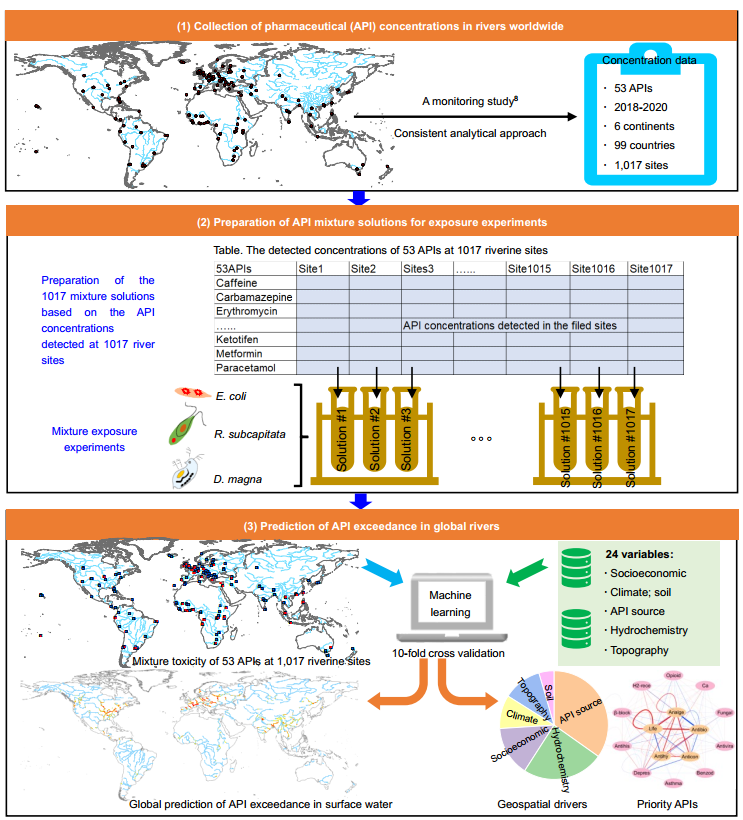
The research team integrated toxicity data from 53 drugs, used 1,017 experimental toxicity assays and 24 geospatial predictive variables to build a machine learning model.
The model generated a hybrid toxicity map of global rivers with a spatial resolution of approximately 2 kilometers and simulated the effects of different pollution source remediation scenarios.
Main conclusions:
The study predicts that approximately 13% of the river grid cells are at risk of exceeding the set mixed toxicity threshold.
The study also found that if six key emission sources are addressed, the number of river areas exceeding emission standards in the simulated scenario could be reduced by approximately 54% to 92%.
It should be emphasized that these proportions are from counterfactual model simulations and do not represent the same level of improvement that has been implemented and observed in reality.
Future Outlook:
In the future, drug monitoring should be strengthened in different seasons and regions, and actual governance experiments should be conducted to verify whether the key pollution sources proposed in the model can produce the expected results.
Human land use drives microplastic abundance in terrestrial wildlife
Human land use has increased the abundance of microplastics in terrestrial wildlife.
Microplastics, Wildlife, Ecological Environment
- author: Marcia de Almeida Monteiro Melo Ferraz, Arnaud Léonard Jean Desbiez, Mário Henrique Alves and others
- Journal: Nature
- Publication time: November 11, 2026
- DOI: 10.1038/s41586-026-11285-x IF: 56.1 Q1 B1
- original: Nature paper page
- PDF: https://pc.garrettchen.fun/XC%E7%A7%91%E7%A0%9420261114114004982.pdf
Research Background:
Microplastics are already widespread in marine, freshwater, and terrestrial environments, but how the exposure of terrestrial wildlife to microplastics is affected by human land use remains a lack of spatial-scale research.
Research content:
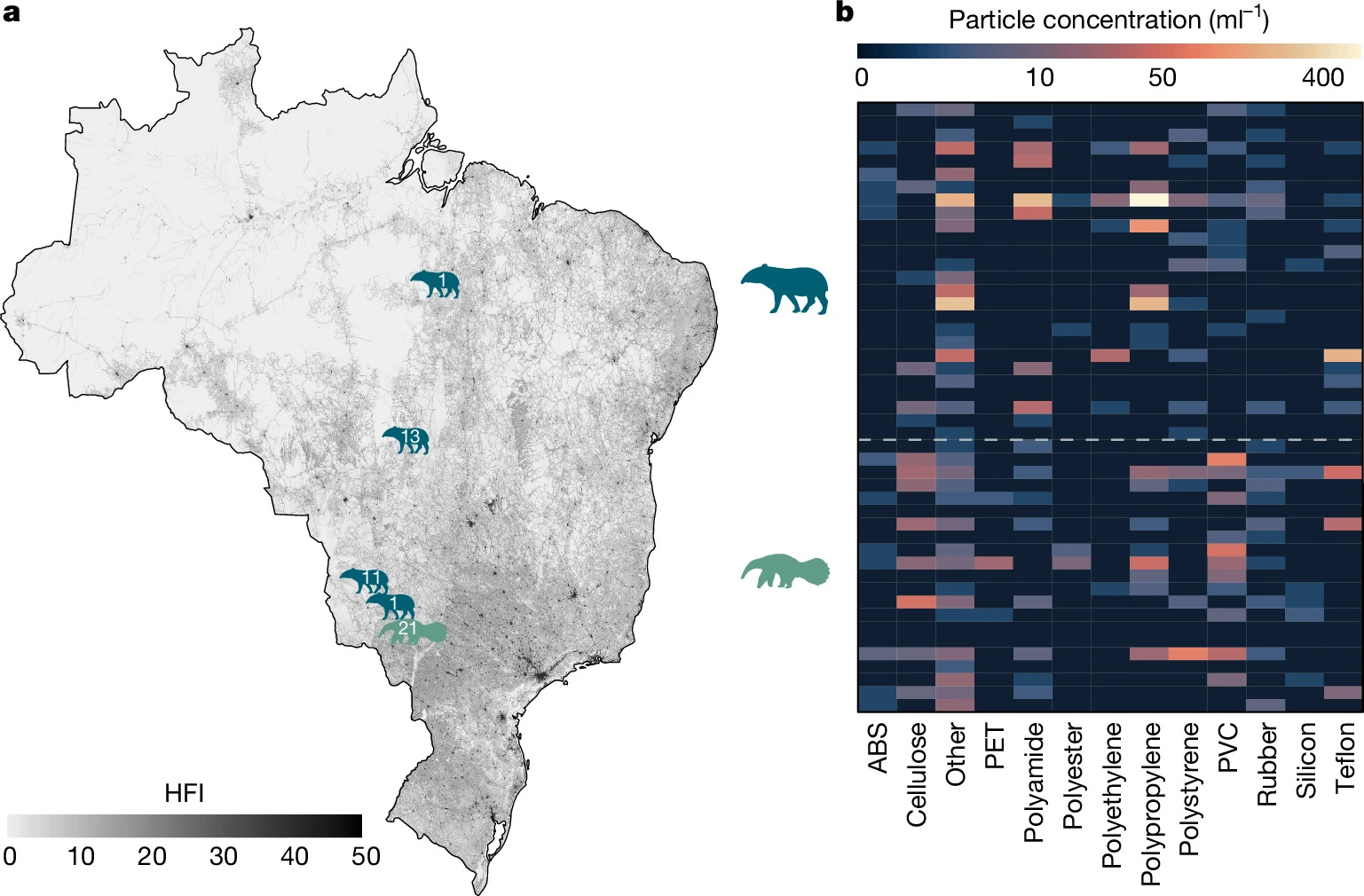
The research team conducted studies on lowland tapirs and giant anteaters in Brazil, combining the results of microplastic detection in the animals' blood with GPS activity tracks, human activity footprint indexes, and land use information.
The study included 26 lowland tapirs and 21 giant anteaters.
Main conclusions:
Studies have found that the higher the intensity of human activity within an animal's range and the closer it is to development zones and waste management facilities, the higher the microplastic load in the blood tends to be.
Meanwhile, microplastics were still detected in the blood of some animals living in relatively natural environments far from development activities.
This suggests that microplastics may enter ecosystems far from cities through broader environmental migration pathways.
Future Outlook:
Further research is needed to expand the scope to include different species and geographic regions, and to combine this with simultaneous sampling of soil, water, food chains, and animal blood to further determine the specific sources and migration pathways of microplastics.
Research limitations: This is an observational study, and spatial correlation alone cannot prove that land use change directly leads to an increase in microplastics in animals.
Pesticide-exposed bees fail to thermoregulate leading to cold colonies with consequences for offspring development
Bees exposed to pesticides are unable to regulate their body temperature, leading to cold colonies and negatively impacting the development of their offspring.
Ecology, Pesticide Toxicology, Pollinating Insects
- author: Kieran E. Storer, Susan EG Hawthorne, Connor Lovell, Ferozah Mahmood, et al.
- Journal: Communications Biology
- Publication time: November 13, 2026
- DOI: 10.1038/s42003-026-11301-w IF: 5.8 Q1 B1
- original: Communications Biology paper page
- PDF: https://pc.garrettchen.fun/XC%E7%A7%91%E7%A0%9420261114114048889.pdf
Research Background:
Social insects such as bumblebees need to maintain the temperature inside their nests through individual and group behaviors, especially during the larval development stage, when they are quite sensitive to temperature conditions.
Pesticide exposure may not only affect the survival of individual insects, but may also interfere with temperature regulation behavior at the population level.
Research content:
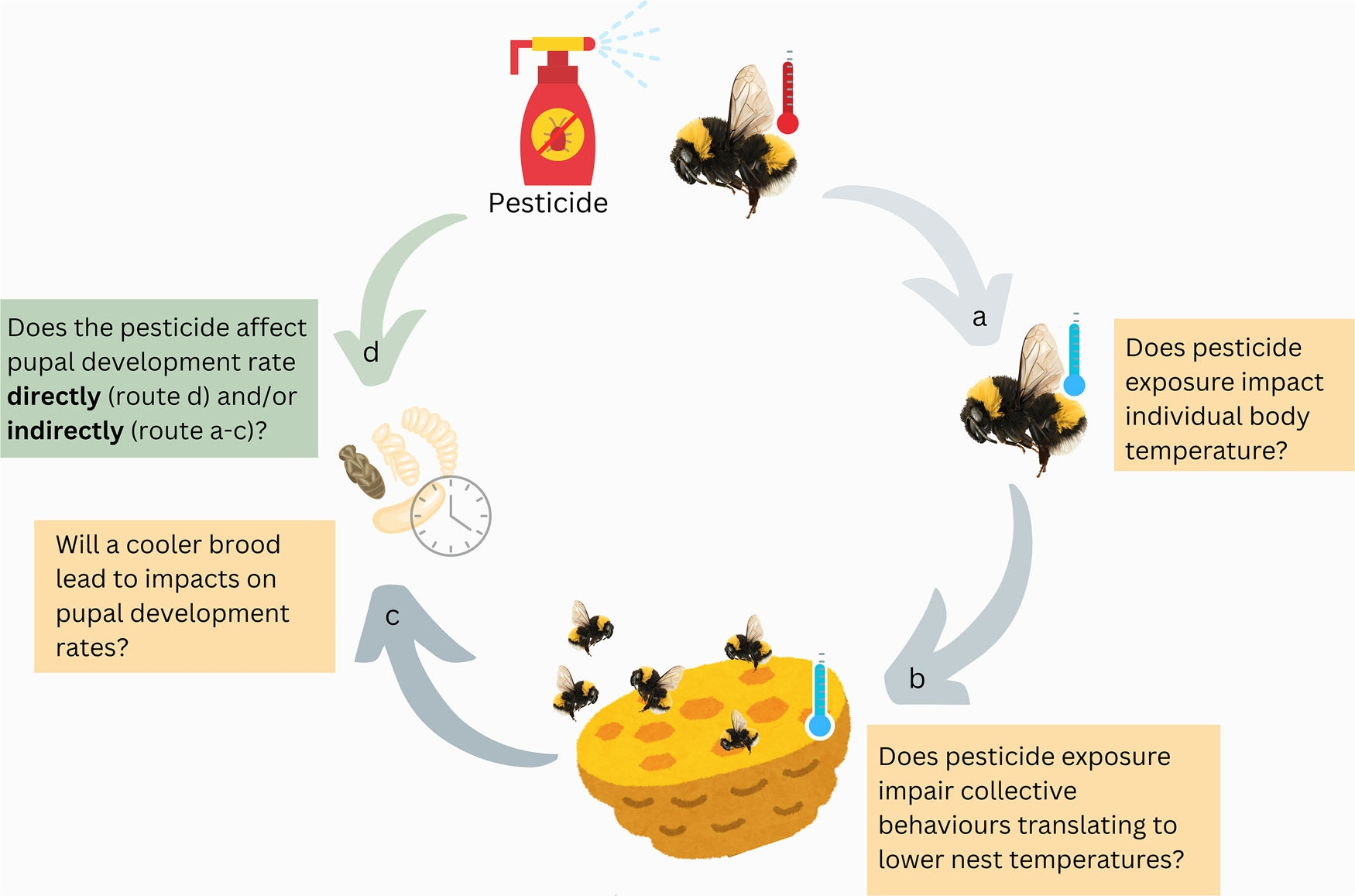
The research team investigated the effects of neonicotinoid insecticide exposure on bumblebee thermoregulation and offspring development through three sets of complementary experiments.
The experiment investigated individual thorax temperature, hive temperature for raising young bees, offspring development, and adult population growth.
Main conclusions:
Bumblebees exposed to pesticides have more difficulty maintaining a stable body temperature in lower ambient temperatures.
The affected bee colonies also failed to maintain a suitable nest temperature for larval development like the control group, which led to delayed pupal development and a decrease in adult colony growth.
The authors specifically point out that the observed effects on offspring development are not simply due to the direct toxicity of pesticides to larvae, but are related to impaired temperature regulation during larval rearing in bee colonies.
Future Outlook:
Future research needs to conduct validation under different pesticide types, actual field exposure levels, and extreme weather conditions, and investigate whether such sublethal effects will affect pollination services and the long-term stability of wild populations.
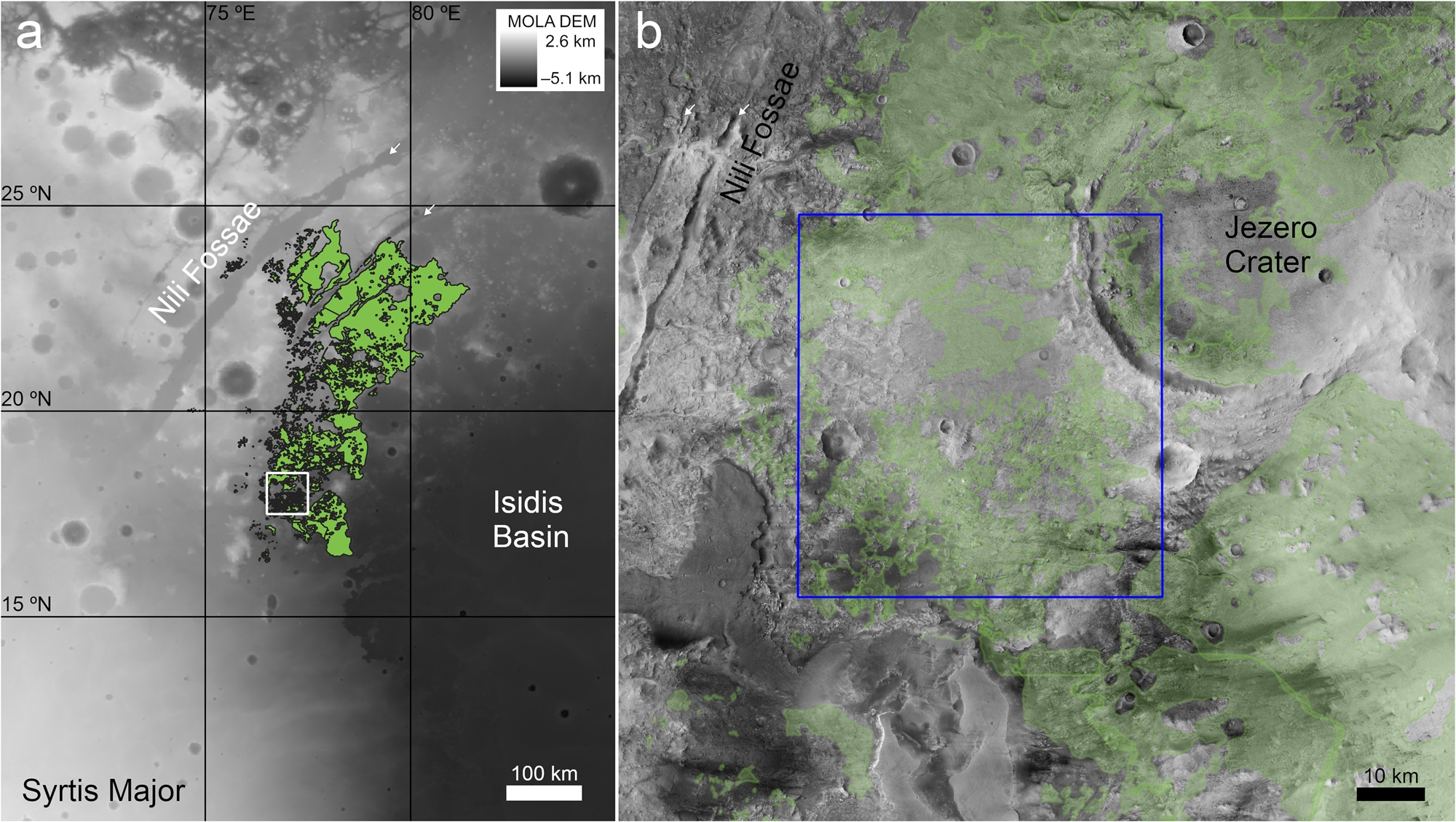
An intrusive origin for the Nili Fossae regional olivine-bearing unit
Origin of olivine-bearing units in the Nili Fossae region
Planetary Science, Martian Geology, and Remote Sensing Research
- author: Michael S. Bramble, John F. Mustard, Kenneth A. Farley, Kenneth H. Williford, et al.
- Journal: Communications Earth & Environment
- Publication time: November 11, 2026
- DOI: 10.1038/s43247-026-04086-7 IF: 9.3 Q1 B1
- original: Communications Earth & Environment paper page
- PDF: https://pc.garrettchen.fun/XC%E7%A7%91%E7%A0%9420261114114326526.pdf
Research Background:
The Nili Fossae region on Mars contains extensive olivine-rich strata, the formation of which has long been debated. Past explanations have included various hypotheses such as volcanic clastic sedimentation and aeolian sedimentation.
Research content:
The research team used Mars orbit observation data to analyze the geological structure of the region, which features morphological characteristics such as linear extension, triple intersection, and boundary uplift.
The authors suggest that these structures may be related to dikes formed by magma rising along crustal fissures.
Main conclusions:
The study suggests that the olivine-rich units in this region may have an intrusive origin, and their surface morphology, which appears to be covered by strata, may actually be a dish-shaped bedrock structure eroded from the ground.
This interpretation could change our understanding of the formation time of the Nili Fossae region and its geological relationship with the Jezero impact crater.
Future Outlook:
Further analysis using in-situ analysis from the Mars rover, high-resolution orbital images, and mineralogical data can be combined to further test the hypothesis of the origin of the intrusive rocks.
Immersive and wearable bi-directional thermal rendering for physical and virtual interaction in augmented reality
Immersive and wearable bidirectional thermal rendering for physical and virtual interaction in augmented reality
Augmented Reality, Wearable Devices, Haptic Interaction
- author: Alexandra Watkins, Ritam Ghosh, Evan Chow, Nilanjan Sarkar and more
- Journal: Communications Engineering
- Publication time: November 13, 2026
- DOI: 10.1038/s44172-026-00817-y IF: 7.0 Q1 NA
- original: Communications Engineering paper page
- PDF: https://pc.garrettchen.fun/XC%E7%A7%91%E7%A0%9420261114114603895.pdf
Research Background:
Augmented reality can overlay virtual content onto the real environment, but haptic feedback remains a challenge. Users not only want to feel the temperature of virtual objects, but also need to retain the ability to perceive the temperature of real objects, and should not lose finger dexterity due to wearing the device.
Research content:
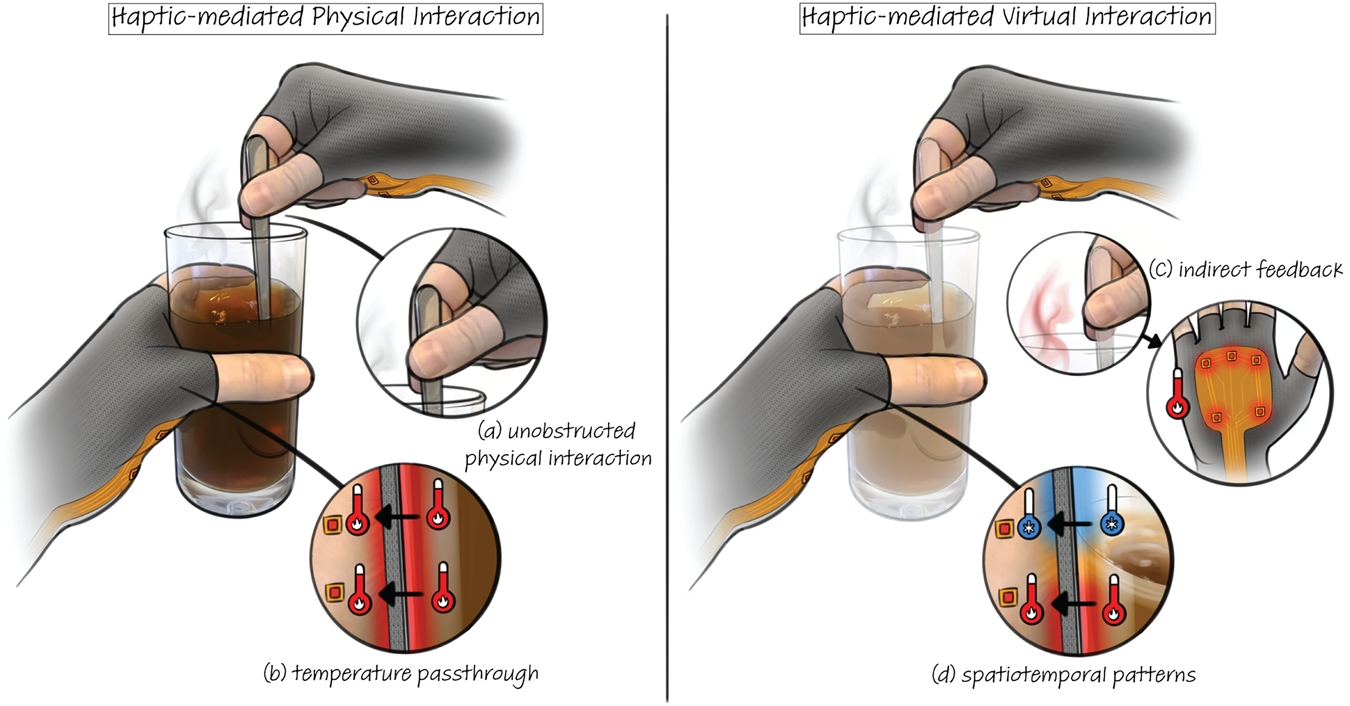
The research team has developed a wearable bidirectional thermal feedback device that can be installed in the palm area, mainly incorporating three design concepts:
- By using indirect thermal feedback, the impact on fingertip movements is reduced;
- Sensing and reproducing the temperature of real objects through active temperature transmission;
- Enhance the virtual interactive experience by using thermal stimuli that vary in space and time.
The research team also conducted human trials to assess the impact of different thermal feedback methods on temperature perception, comfort, and immersion.
Main conclusions:
Experiments show that indirect thermal feedback helps maintain comfort and immersion; active thermal transfer can help users distinguish between real surfaces and virtual temperatures; and dynamically moving thermal stimulation can bring a higher degree of realism compared to static stimulation.
Future Outlook:
Further steps are needed to address issues such as device size, temperature response speed, comfort during extended wear, and thermal safety, as well as explore its applications in remote collaboration, virtual training, and immersive education.
Analysis of Current Scientific Research Hotspots and Trends
As can be observed from the papers in this issue, the intersection between artificial intelligence, experimental science, materials design, and environmental research is being further strengthened.
AI research tools are beginning to emphasize the source of evidence, rather than just text generation.
SCIMUSE and T21 Research Assistant studied how AI can help researchers process knowledge from two perspectives: generating research ideas and retrieving professional literature.
Both studies suggest that model-generated content needs expert evaluation and verification against documentary evidence. For scientific research applications, the ability to trace back to the original paper and accurately reflect experimental results is more important than the fluency of the generated text.
Materials research is combining generative models and complex structure design.
This issue's research on scale-rich metamaterials and three-dimensional atomic structure inversion demonstrates two different computational materials science approaches:
- A method to obtain new macroscopic mechanical properties by changing the internal network structure of materials;
- Another approach is to recover the local three-dimensional atomic structure of materials from spectroscopic data using generative models.
This means that the role of machine learning in materials science is extending from simple performance prediction to structure generation, structure inversion, and experimental analysis.
Environmental research is increasingly emphasizing multi-factor and spatial-scale analysis.
Drug co-contamination, wildlife microplastic exposure, and the impact of pesticides on bumblebee thermoregulation demonstrate a shift in environmental research from single-pollutant analysis to the ecosystem level.
Of particular note is that some pollutants can affect ecosystems far from direct pollution sources through multiple pathways. Future environmental monitoring needs to combine spatial data, ecological behavior, and long-term observation, rather than simply measuring pollution concentrations at a single location.
Clinical research continues to evolve towards personalized treatment and risk stratification.
This study on melanoma mRNA therapy demonstrates the clinical potential of combining personalized neoantigen therapy with immune checkpoint inhibitors.
VTE prevention trials demonstrate that even common clinical protocols require simultaneous evaluation of efficacy and safety, and treatment options should not be selected based on a single indicator.
Quantum physics and novel interactive technologies continue to advance.
Research on Rydberg atoms, superradiative entanglement, and bilayer nickelate superconductivity advances fundamental science from the perspectives of quantum optics, quantum information, and condensed matter physics, respectively.
Meanwhile, research on augmented reality thermal feedback has moved temperature perception from a laboratory concept to wearable interactive devices, demonstrating the direction of combining engineering technology with human-computer interaction.
Five papers worth reading in this issue
If you have limited reading time this week, we recommend prioritizing the following five articles:
| Priority reading | paper | Reasons for recommendation |
|---|---|---|
| 1 | SCIMUSE Research Idea Generation | This study directly assessed the actual quality of AI-generated research ideas, and has implications for research topic selection and AI-assisted research. |
| 2 | Scale-rich metamaterials | A Nature publication demonstrates how network heterogeneity alters the properties of mechanical materials. |
| 3 | Drug contamination and global rivers | Combining machine learning and global geographic data has value for environmental governance. |
| 4 | Personalized mRNA therapy for melanoma | Phase III clinical trials provide new evidence for personalized cancer immunotherapy. |
| 5 | Three-dimensional atomic coordination structure inversion | Applying the isotropic diffusion model to the analysis of materials spectroscopic data has strong methodological value. |
Reference databases and data sources
This issue primarily uses the following academic databases and publishing platforms to verify paper information: